 United States
•
2,529 views
United States
•
2,529 views
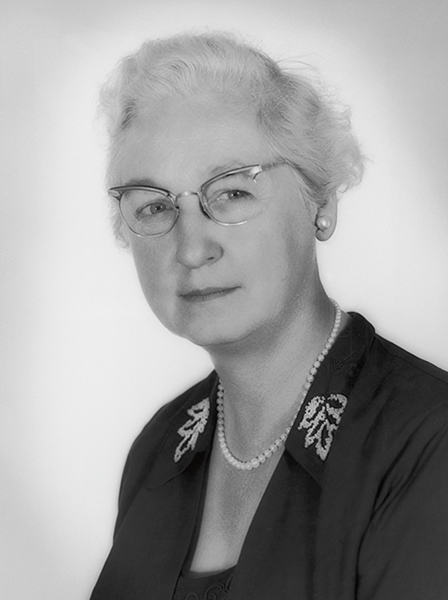
Virginia Apgar

Westfield, New Jersey, United States
Archival Overview
American physician who created the Apgar score, revolutionizing newborn care and dramatically reducing infant mortality worldwide.
Biographical Record
Virginia Apgar was an American physician, anesthesiologist, and medical researcher whose practical genius created the universal standard for assessing newborn health immediately upon birth. Graduating near the top of her class at Columbia University's College of Physicians and Surgeons in 1933, Apgar was discouraged from surgical residency due to gender bias and pivoted to the emerging specialty of anesthesiology, becoming Columbia's first female full professor in 1949.
Disturbed that newborn babies who were blue, struggling to breathe, or lethargic were often written off as stillborn or left without immediate intervention, Apgar scribbled a five-point scoring system on the back of a cafeteria napkin in 1952. The Apgar Score—evaluated at one minute and five minutes after birth—evaluates Appearance (skin color), Pulse (heart rate), Grimace (reflex response), Activity (muscle tone), and Respiration, yielding a score from 0 to 10. Quickly adopted in delivery rooms across the globe, the Apgar score transformed neonatology, ensuring immediate oxygen resuscitation and saving countless millions of newborns. Apgar later served as vice president of the March of Dimes, directing nationwide campaigns against congenital birth defects.
Key Life Milestones
Creation of the Apgar Score
Formulated the revolutionary standardized five-point newborn assessment system, presented at the anesthesiology congress.
Ralph M. Waters Award
Received the American Society of Anesthesiologists' highest honour for her pioneering contributions to obstetrical anesthesiology.
Memorial Guestbook & Tributes
0 messages recordedLeave a Respectful Tribute
Final Resting Place
Perpetual MemorialWestfield, New Jersey, United States