 Italy
•
8 views
Italy
•
8 views
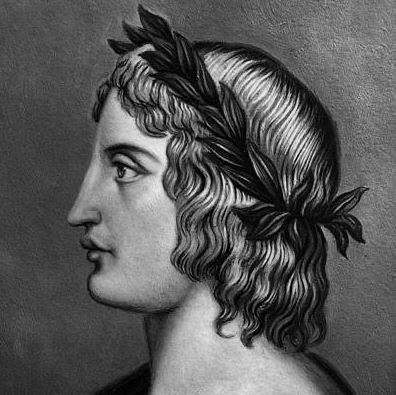
Publius Vergilius Maro

Andes (Mantua), Italy
Archival Overview
Foremost Roman poet of classical antiquity whose national epic, the Aeneid, celebrated Rome's mythical Trojan origin and moral destiny with unmatched melancholic elegance and linguistic perfection.
Biographical Record
Publius Vergilius Maro (70–19 BCE), known in English as Virgil, was born near Mantua. Under the patronage of Maecenas and Emperor Augustus, Virgil elevated Latin hexameter poetry to its absolute zenith. He first achieved fame with his pastoral Eclogues (Bucolics) and didactic farming poem Georgics.
Virgil spent his final eleven years crafting the twelve books of the Aeneid, recounting the wanderings of Aeneas from fallen Troy to Latium. Blending heroic epic with tragic human tenderness—most famously in the passionate agony of Dido, Queen of Carthage—Virgil created Rome's supreme national epic. In the Middle Ages, Dante revered him as the embodiment of human reason and his guide through the Inferno.
Key Life Milestones
Completion of the Georgics
Presented his masterly didactic poem on agriculture, nature, and civilization to Augustus.
Composition and Legacy of the Aeneid
Finished the twelve books of the Aeneid, establishing the definitive mythological epic of the Roman Empire.
Memorial Guestbook & Tributes
0 messages recordedLeave a Respectful Tribute
Final Resting Place
Perpetual MemorialBrundisium (Brindisi), Italy