 France
•
9 views
France
•
9 views
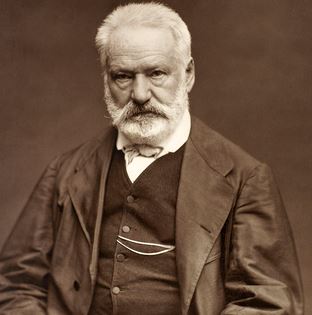
Victor-Marie Hugo

Besançon (Franche-Comté), France
Archival Overview
Titan of French Romanticism and passionate defender of the oppressed whose monumental epics—Les Misérables, The Hunchback of Notre-Dame, and Les Châtiments—made his 1885 state funeral the largest in French history, drawing two million mourners.
Biographical Record
Victor Hugo (1802–1885) was the towering literary conscience of 19th-century France. Leading the Romantic rebellion with the 1827 preface to Cromwell and the riotous premiere of Hernani (1830), he saved Gothic architecture from destruction with Notre-Dame de Paris (The Hunchback of Notre-Dame, 1831), starring Quasimodo and Esmeralda.
A fierce opponent of Napoleon III's 1851 coup d'état, Hugo spent nineteen years in defiant exile on the Channel Islands of Jersey and Guernsey, penning blistering anti-tyrannical satires (*Les Châtiments*) and his colossal humanist magnum opus, Les Misérables (1862), tracing Jean Valjean's spiritual redemption. Returning in triumph upon the declaration of the Third Republic, Hugo died at eighty-three; his coffin was laid beneath the Arc de Triomphe, where two million citizens marched in his funeral procession to the Panthéon.
Key Life Milestones
Publication of Notre-Dame de Paris (The Hunchback of Notre-Dame)
Published the Gothic masterpiece that spearheaded the global preservation of Notre-Dame Cathedral.
Publication of Les Misérables
Published simultaneously across Europe, creating humanity's greatest epic novel of redemption and social justice.
Memorial Guestbook & Tributes
0 messages recordedLeave a Respectful Tribute
Final Resting Place
Perpetual MemorialParis, France