 France
•
3,369 views
France
•
3,369 views
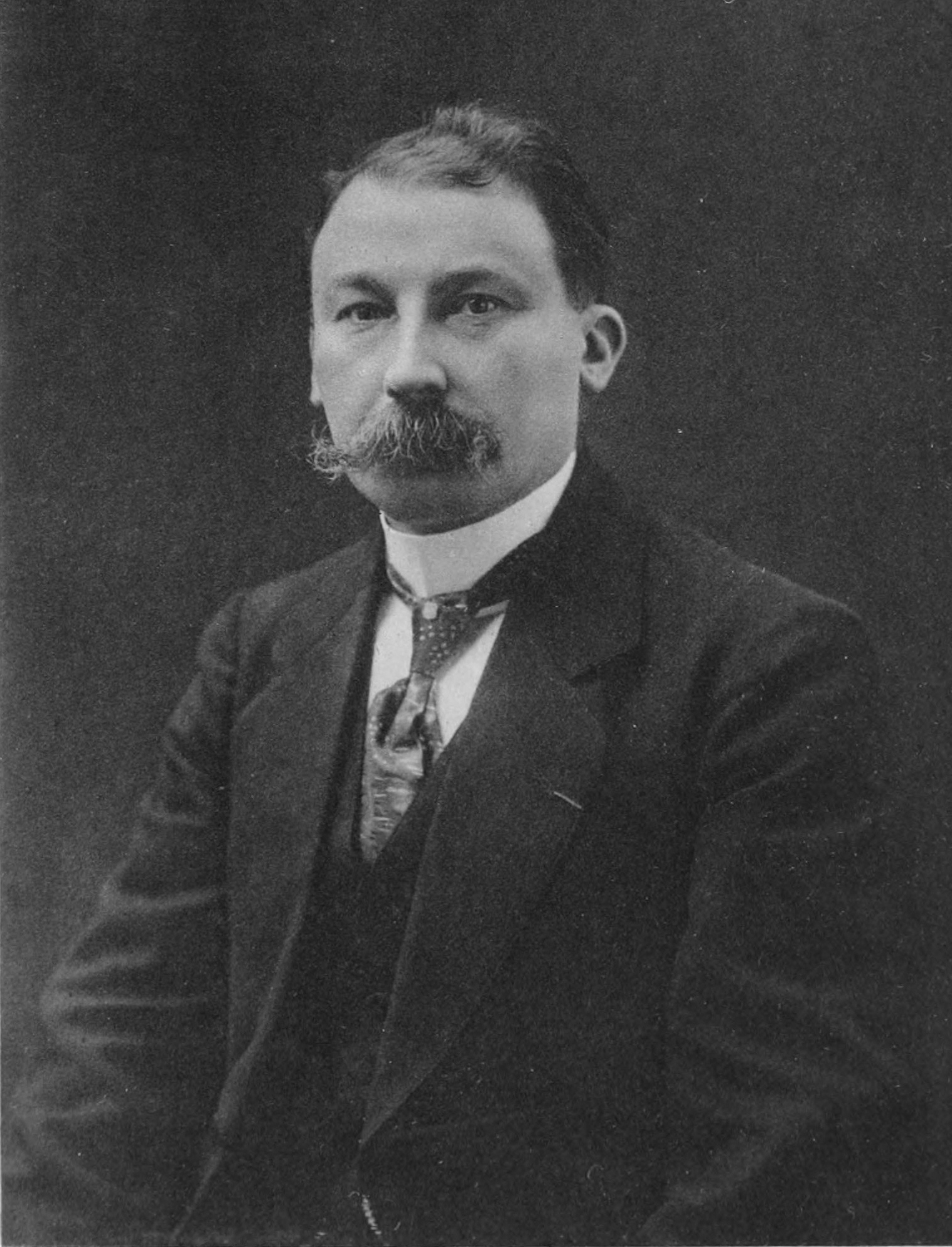
Victor Grignard

Cherbourg, Normandy, France
Archival Overview
French chemist who discovered Grignard reagents, the indispensable organomagnesium tools for forming carbon-carbon bonds.
Biographical Record
François Auguste Victor Grignard was a French chemist whose discovery of organomagnesium halides revolutionized organic synthesis and earned him the 1912 Nobel Prize in Chemistry. The son of a sailmaker in Cherbourg, Grignard originally studied mathematics before shifting to chemistry at the University of Lyon under Philippe Barbier.
Assigned by Barbier to investigate organometallic reactions, Grignard found that reacting alkyl or aryl halides with magnesium turnings in anhydrous diethyl ether formed stable, reactive organomagnesium compounds: R-Mg-X, now universally celebrated as Grignard reagents. These reagents readily attack carbonyl groups (aldehydes, ketones, and esters) to create new carbon-carbon bonds—the absolute holy grail of synthetic chemistry. The Grignard reaction became one of the most versatile and ubiquitous synthetic methods in pharmaceutical production and organic research. In 1912, Grignard shared the Nobel Prize in Chemistry with Paul Sabatier, and later served as professor and dean at the University of Lyon.
Key Life Milestones
Discovery of Grignard Reagents
Prepared organomagnesium halides in ether, unlocking the fundamental Grignard reaction for creating carbon-carbon bonds.
Nobel Prize in Chemistry
Awarded the Nobel Prize in Chemistry for the discovery of the so-called Grignard reagent, which has greatly advanced organic chemistry.
Memorial Guestbook & Tributes
0 messages recordedLeave a Respectful Tribute
Final Resting Place
Perpetual MemorialLyon, Rhône, France