 Viceroyalty of the Rio de la Plata
•
0 views
Viceroyalty of the Rio de la Plata
•
0 views
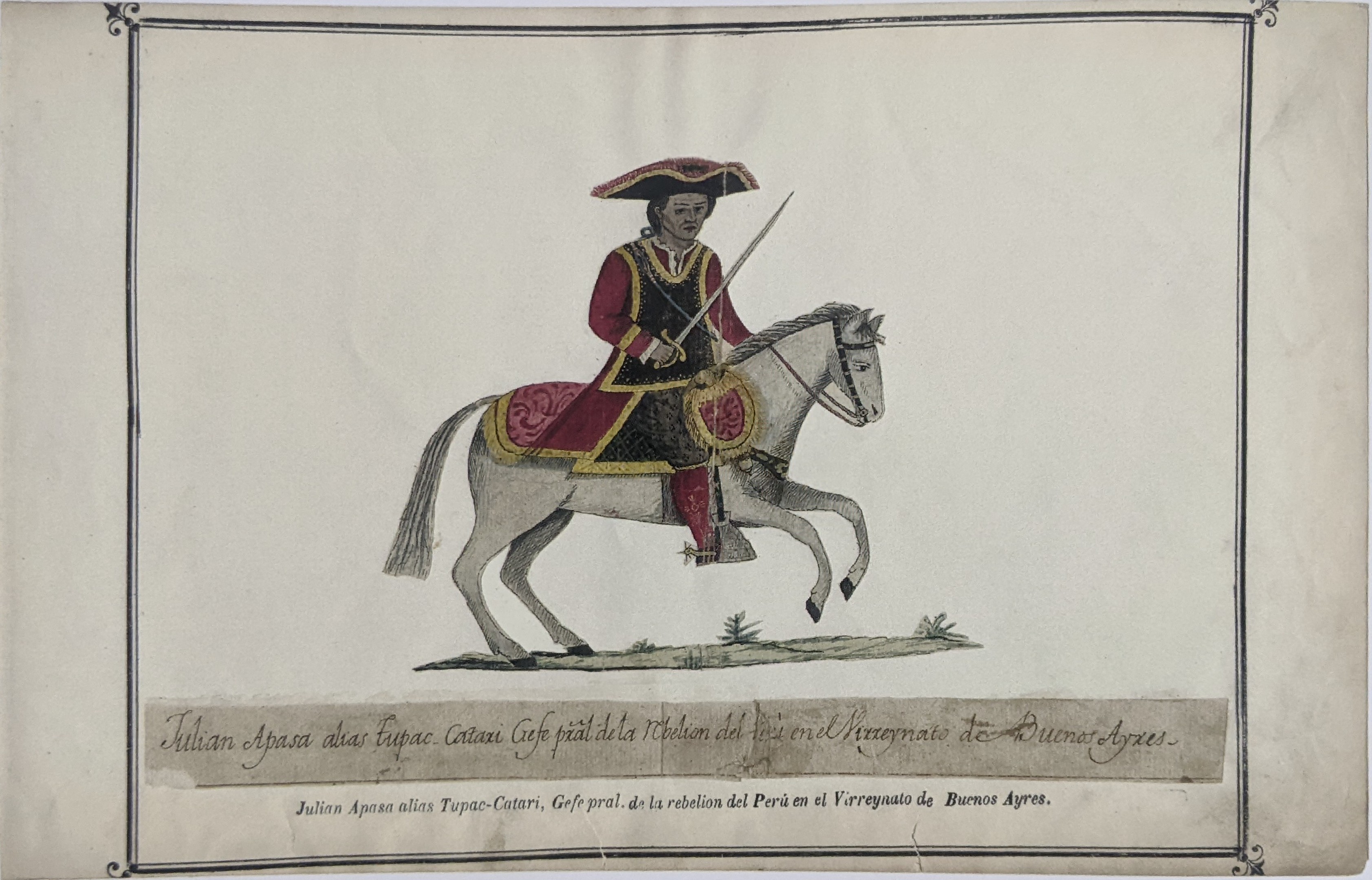
Tupac Katari

Ayo Ayo (Sica Sica), Viceroyalty of the Rio de la Plata
Archival Overview
Aymara indigenous leader who adopted the name Tupac Katari and mobilized 40,000 native warriors to lay siege to the Spanish colonial capital of La Paz for six months in 1781, uttering the immortal prophecy: 'I die today, but I will return, and I will be millions.'
Biographical Record
Born Julian Apaza Nina, an orphaned Aymara sack-trader and sacristan, he joined the widespread anti-colonial movement sweeping the Andes in 1781. Honoring Tupac Amaru II and Tomas Katari, he took the name Tupac Katari, proclaiming himself Viceroy of the indigenous nation alongside his warrior wife Bartolina Sisa.
From March to October 1781, Katari encircled the colonial fortress city of La Paz with 40,000 Aymara fighters, constructing earthen dams on the Choqueyapu River to flood colonial fortifications and starving the Spanish garrison into submission. Betrayed after eight months of siege, he was sentenced to be torn apart by four horses; his dying words became the battle cry of modern indigenous rights.
Key Life Milestones
The 184-Day Siege of La Paz
Commenced the historic siege of the colonial capital of Upper Peru, shutting down Spanish colonial administration.
Immortal Prophecy on the Execution Field
Dismembered by four horses in Penas, leaving his immortal prophecy of collective indigenous return.
Memorial Guestbook & Tributes
0 messages recordedLeave a Respectful Tribute
Final Resting Place
Perpetual MemorialPenas (Omasuyos, La Paz), Bolivia