 Peru
•
8 views
Peru
•
8 views
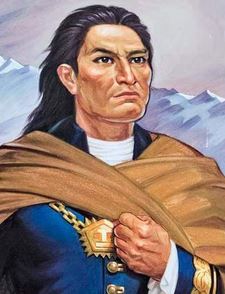
Túpac Amaru II

Surimana, Canas, Peru
Archival Overview
Indigenous leader of Quechua royal descent who led the Great Rebellion of 1780 against Spanish colonial rule, issuing the first proclamation of the abolition of Black slavery in the Americas.
Biographical Record
José Gabriel Condorcanqui Noguera, known as Túpac Amaru II (1738 – 1781), was an indigenous kuraka (chief) and the descendant of the last Inca ruler, Túpac Amaru I. Educated by Jesuits in Cusco, he was enraged by the brutal exploitation of Quechua and Aymara peasants under the *mita* forced labor system in the silver mines of Potosí.
In November 1780, he captured and executed the tyrannical Spanish corregidor Antonio de Arriaga, launching the largest indigenous rebellion in colonial South American history. Crucially, on November 16, 1780, Túpac Amaru issued an historic proclamation declaring the immediate abolition of African chattel slavery in Peru, calling on Quechua, mestizo, and Black laborers to unite. Captured in 1781, Spanish authorities forced him to watch the execution of his wife and chief strategist Micaela Bastidas before tearing his body apart with four horses in the Plaza de Armas in Cusco. He became an enduring symbol of indigenous liberation throughout Latin America.
Key Life Milestones
Proclamation of Slave Emancipation
Issued decree in Tungasuca abolishing African chattel slavery, the first official emancipation decree in the Americas.
Martyrdom in Cusco
Executed in the Plaza de Armas after refusing to surrender the names of his co-conspirators, becoming an immortal Inca symbol.
Memorial Guestbook & Tributes
0 messages recordedLeave a Respectful Tribute
Final Resting Place
Perpetual MemorialPlaza de Armas, Cusco, Peru