 Japan
•
2 views
Japan
•
2 views
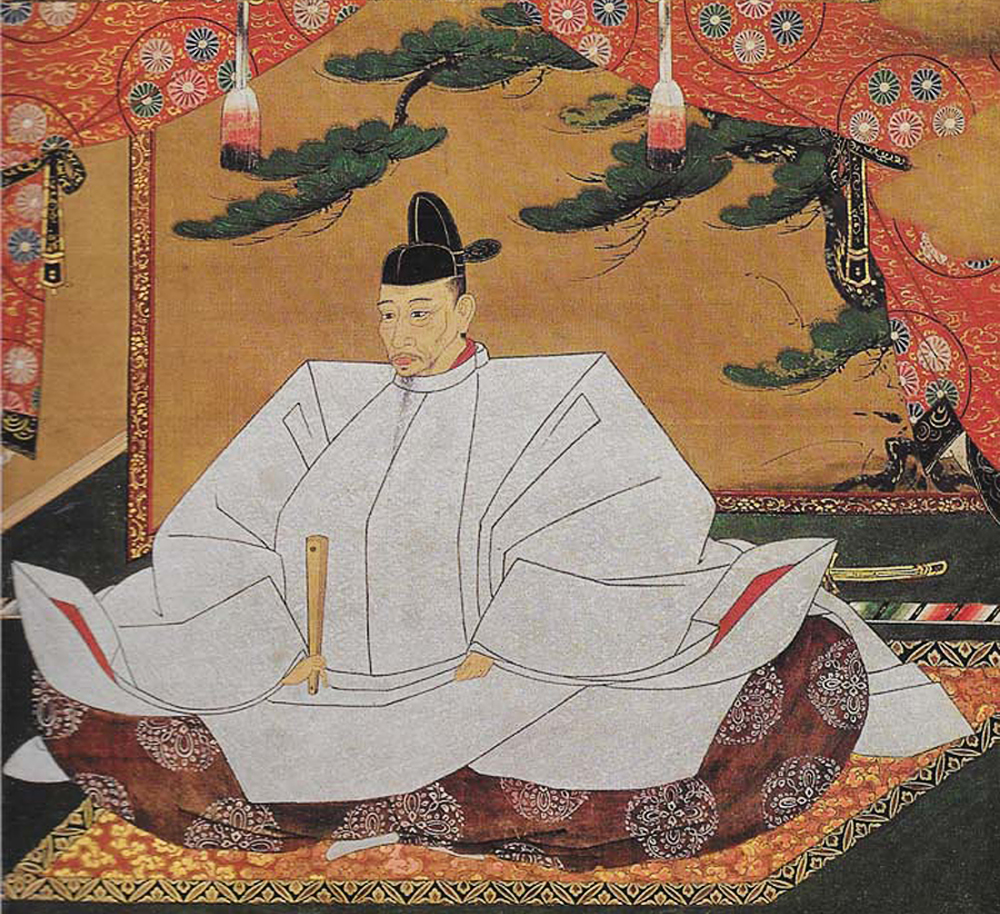
Toyotomi Hideyoshi

Nakamura (Nagoya), Japan
Archival Overview
Second of the 'Three Great Unifiers' of Japan who rose from peasant foot-soldier to Imperial Regent (Kampaku), unifying feudal Sengoku Japan.
Biographical Record
Toyotomi Hideyoshi (1537–1598) achieved one of the most meteoric rises in world history, transforming from a humble peasant ashigaru (foot soldier) under Oda Nobunaga into the supreme ruler of Japan. Avenging Nobunaga's assassination at Honno-ji in 1582 by crushing Akechi Mitsuhide at the Battle of Yamazaki, Hideyoshi consolidated authority over all daimyo across the archipelago.
Unable to claim the title of Shogun due to his peasant lineage, he was appointed Imperial Regent (Kampaku) and Grand Minister of State (Daijo-daijin). Hideyoshi enacted sweeping institutional reforms, including nationwide land cadastral surveys (Taiko kenchi) and the famous Sword Hunt (Katanagari) that disarmed peasants and codified the samurai caste. In his final years, he constructed Osaka Castle and launched two ambitious but costly invasions of Korea before dying in 1598.
Key Life Milestones
Codification of the Samurai Estate
Decreed the nationwide confiscation of weapons from peasants to melt into a colossal Buddha statue, legally separating the warrior caste from farmers.
Master of Sengoku Japan
Crushed the Late Hojo clan at the Siege of Odawara, securing the submission of northern warlords and unifying Japan under a single sovereign command.
Memorial Guestbook & Tributes
0 messages recordedLeave a Respectful Tribute
Final Resting Place
Perpetual MemorialKyoto, Japan