 United States
•
30 views
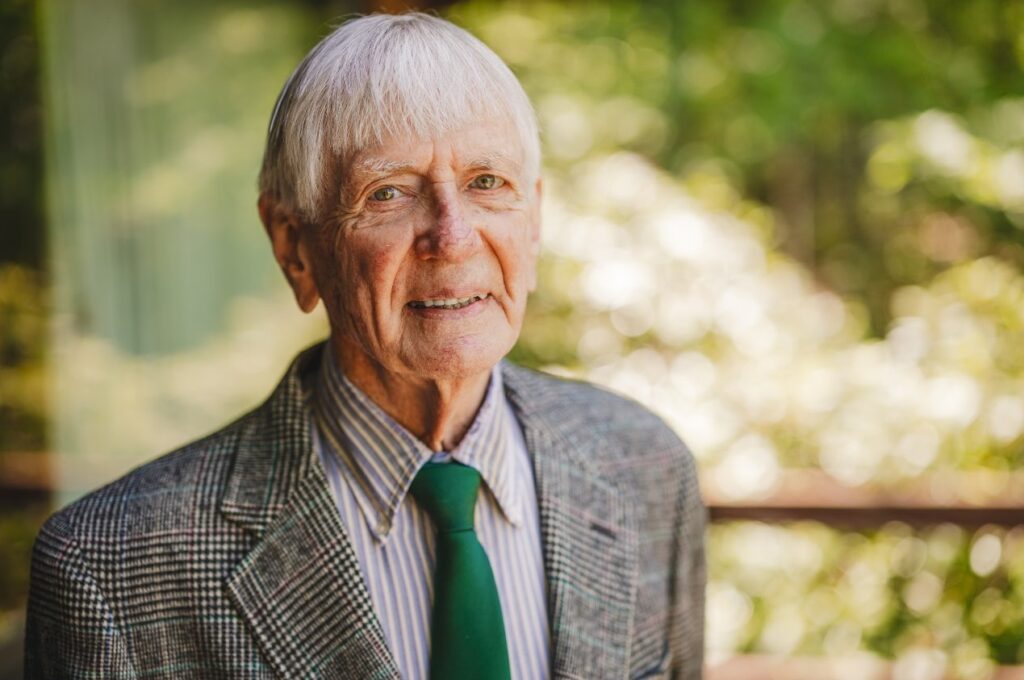
Thomas Eugene Kurtz

Oak Park, United States
Archival Overview
American mathematician and computer science visionary who, alongside John Kemeny at Dartmouth College in 1964, co-invented the BASIC programming language and the Dartmouth Time-Sharing System, democratizing computer programming for the entire world.
Biographical Record
Thomas Eugene Kurtz was born in Oak Park, Illinois. He earned his bachelor's degree from Knox College and completed a PhD in mathematics at Princeton University in 1956 under statistician John Tukey. That same year, mathematician John Kemeny recruited Kurtz to join the mathematics faculty at Dartmouth College in New Hampshire.
Kurtz and Kemeny shared a revolutionary conviction: computing should not be the exclusive preserve of research scientists and punched-card operators, but an accessible tool for all college students. In 1964, they designed the Dartmouth Time-Sharing System (DTSS) and co-invented BASIC (Beginner's All-purpose Symbolic Instruction Code). At 4:00 a.m. on May 1, 1964, in the basement of Dartmouth's College Hall, they successfully ran the first BASIC program. Kurtz and Kemeny made BASIC freely available in the public domain, enabling it to become the universal language that powered the microcomputer revolution on the Altair, Apple II, Commodore, and IBM PC. Kurtz later co-founded True BASIC Inc. and received the IEEE Computer Pioneer Award in 1991.
Key Life Milestones
Creation of the BASIC Programming Language
Ran the first BASIC program alongside John Kemeny at Dartmouth, democratizing computer programming across the world.
IEEE Computer Pioneer Award
Honored with the IEEE Computer Pioneer Award for his role in creating the Dartmouth Time-Sharing System and BASIC.
Memorial Guestbook & Tributes
0 messages recordedLeave a Respectful Tribute
Final Resting Place
Perpetual MemorialHanover, United States