 United States
•
9 views
United States
•
9 views
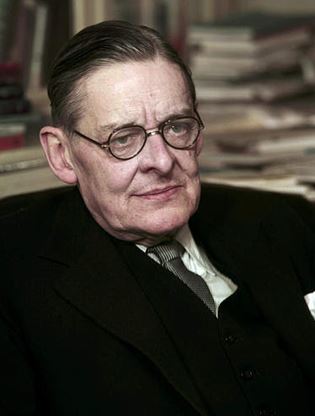
Thomas Stearns Eliot

St. Louis (Missouri), United States
Archival Overview
Titan of 20th-century poetry and 1948 Nobel laureate whose landmark epic The Waste Land ('April is the cruellest month') and spiritual Four Quartets articulated the disillusionment, fragmentation, and redemption of the modern post-war world.
Biographical Record
Thomas Stearns Eliot (1888–1965), born in St. Louis and educated at Harvard, the Sorbonne, and Oxford, settled in London in 1914, working as a clerk at Lloyds Bank while reshaping the English literary canon. Encouraged and ruthlessly edited by Ezra Pound (*il miglior fabbro*), Eliot published The Waste Land in 1922.
Mirroring the spiritual bankruptcy and psychological shellshock of Europe after World War I through shifting voices, classical myths, and Sanskrit chants ('Shantih shantih shantih'), The Waste Land became the definitive poetic anthem of the Lost Generation. Converting to Anglo-Catholicism in 1927 and becoming a British citizen, Eliot served as director at Faber & Faber, discovering W.H. Auden and Ted Hughes. His late masterpiece Four Quartets (1943) and verse drama Murder in the Cathedral earned him the 1948 Nobel Prize in Literature and the Order of Merit.
Key Life Milestones
Publication of The Waste Land in The Criterion
Published his transformative modernist epic in London and New York, defining the spiritual landscape of the 20th century.
Award of the Nobel Prize in Literature and Order of Merit
Awarded the Nobel Prize for his pioneering contribution to modern poetry, followed by Britain's highest royal honour.
Memorial Guestbook & Tributes
0 messages recordedLeave a Respectful Tribute
Final Resting Place
Perpetual MemorialKensington (London), Great Britain