 United States
•
6 views
United States
•
6 views
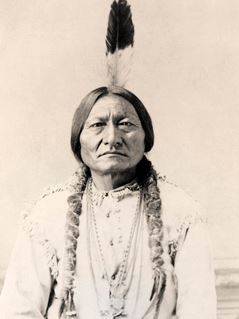
Sitting Bull

Grand River, Dakota Territory, United States
Archival Overview
Hunkpapa Lakota holy man and political leader who united the Sioux tribes of the Great Plains in defense of the sacred Black Hills, leading resistance that resulted in the victory at the Battle of the Little Bighorn.
Biographical Record
Sitting Bull (Lakota: *Tȟatȟáŋka Íyotake*; c. 1831 – 1890) was a holy man (*wichasha wakan*) and supreme leader of the Hunkpapa Lakota Sioux. When gold was discovered in the sacred Black Hills (*Paha Sapa*) in the 1870s and the US government violated the Fort Laramie Treaty to seize Lakota lands, Sitting Bull refused all treaties that forced his people onto reservations.
In the summer of 1876, Sitting Bull conducted the Sun Dance, experiencing a prophetic vision of soldiers falling upside down into camp. Days later, on June 25, 1876, his allied Lakota, Cheyenne, and Arapaho warriors wiped out General George Armstrong Custer's 7th Cavalry at the Battle of the Little Bighorn (Greasy Grass). Faced with starving winters and military pursuit, he led his people to Canada before surrendering in 1881. In December 1890, fearing his influence during the Ghost Dance religious movement, Indian agency police shot and killed him outside his cabin on the Standing Rock Reservation.
Key Life Milestones
Victory at the Little Bighorn
United the plains tribes in defeat of Custer's 7th Cavalry, securing the greatest indigenous military victory in North American history.
Exile to Canada (The Grandmother's Land)
Led his surviving followers across the border into Canada to preserve tribal sovereignty and independence from US forces.
Memorial Guestbook & Tributes
0 messages recordedLeave a Respectful Tribute
Final Resting Place
Perpetual MemorialGrand River, South Dakota, United States