 Tunisia
•
30 views
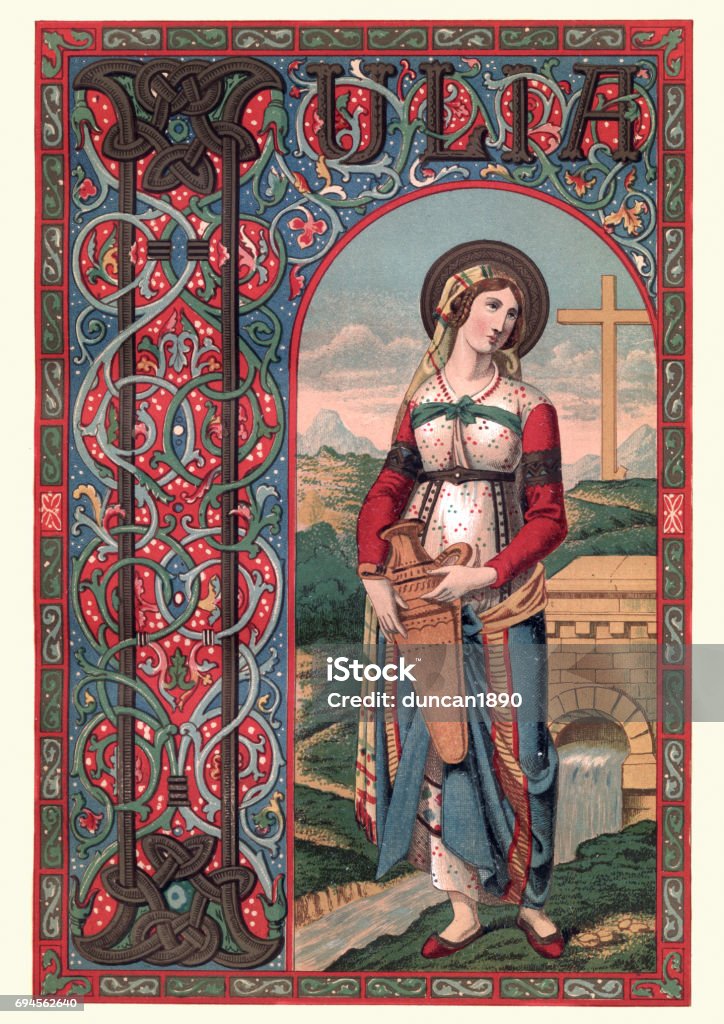
Saint Julia of Corsica

Carthage, Tunisia
Archival Overview
Noble Carthaginian maiden who was enslaved following the Vandal sack of Carthage and carried to Corsica, where she was crucified for refusing to participate in pagan sacrifices.
Biographical Record
Julia was born into an aristocratic Christian family in Carthage. When the Vandals under Gaiseric plundered the city in 439 CE, Julia was seized and sold into slavery to a Syrian pagan merchant named Eusebius, who admired her diligence, honesty, and piety.
Accompanying Eusebius on a merchant ship to Gaul, they anchored at Cap Corse in Corsica during a pagan sacrificial festival. When the local Roman governor Felix discovered Julia refused to worship imperial idols, he offered her freedom if she sacrificed. Julia proudly refused, declaring her freedom was in Christ; she was tortured and crucified, becoming the patron saint of Corsica.
Key Life Milestones
Captivity Following the Vandal Conquest of Carthage
Preserved spiritual purity and Christian prayer throughout years of enslavement across the Mediterranean.
Captivity Following the Vandal Conquest of Carthage
Preserved spiritual purity and Christian prayer throughout years of enslavement across the Mediterranean.
Captivity Following the Vandal Conquest of Carthage
Preserved spiritual purity and Christian prayer throughout years of enslavement across the Mediterranean.
Crucifixion at Cap Corse
Embraced martyrdom on the cross, venerated as the principal patron saint of the Island of Corsica.
Crucifixion at Cap Corse
Embraced martyrdom on the cross, venerated as the principal patron saint of the Island of Corsica.
Crucifixion at Cap Corse
Embraced martyrdom on the cross, venerated as the principal patron saint of the Island of Corsica.
Memorial Guestbook & Tributes
0 messages recordedLeave a Respectful Tribute
Final Resting Place
Perpetual MemorialNonza (Corsica), France