 Iran
•
10 views
Iran
•
10 views
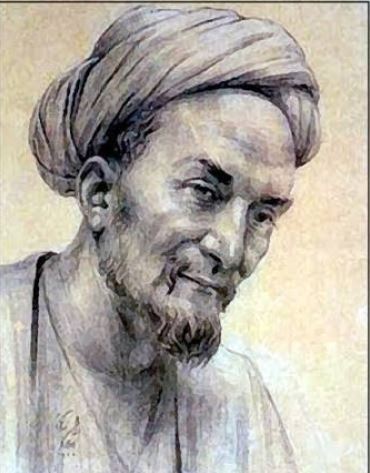
Abu Muhammad Muslih al-Din bin Abdallah Shirazi (Saadi)

Shiraz (Fars), Iran
Archival Overview
Supreme master of classical Persian eloquence and ethical humanism, whose masterpieces the Gulistan (The Rose Garden) and Bustan (The Orchard) celebrate universal compassion, with his famous poem 'Bani Adam' adorning the United Nations.
Biographical Record
Saadi Shirazi (c. 1210–1291 CE) studied Islamic sciences at the renowned Nizamiyya Academy in Baghdad. Fleeing the Mongol onslaught, he wandered for thirty years as a dervish across Anatolia, Syria, Egypt, and Central Asia, surviving battles and Crusader captivity before returning to his beloved Shiraz in 1257.
In two miraculous years, he published his twin masterworks: the poetic Bustan ('The Orchard', 1257) and the prosimetric Gulistan ('The Rose Garden', 1258). Saadi's aphoristic wisdom, sparkling wit, and deep humanism revolutionized Persian literature. His famous verse 'Bani Adam' (Children of Adam), declaring that all human beings are members of one body, is prominently displayed at the United Nations Headquarters in New York.
Key Life Milestones
Completion of the Bustan (The Orchard)
Published his verse masterpiece on justice, modesty, gratitude, and good governance.
Publication of the Gulistan (The Rose Garden)
Authored the world-famous moral prose-poetry collection containing the humanitarian anthem 'Bani Adam'.
Memorial Guestbook & Tributes
0 messages recordedLeave a Respectful Tribute
Final Resting Place
Perpetual MemorialShiraz, Iran