 United States
•
4,752 views
United States
•
4,752 views
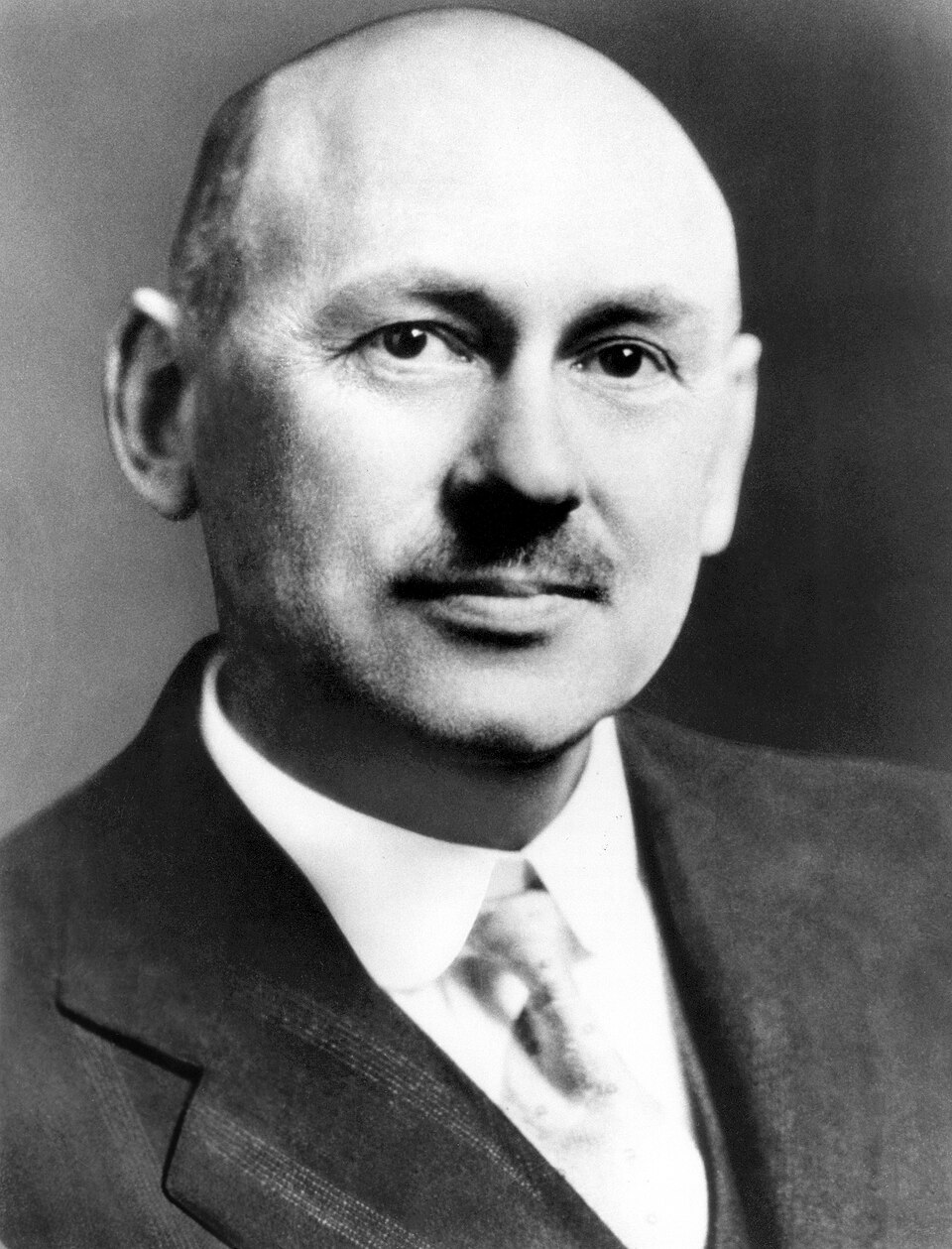
Robert H. Goddard

Worcester, Massachusetts, United States
Archival Overview
Father of modern rocketry who designed, constructed, and successfully launched the world's first liquid-fueled rocket in 1926.
Biographical Record
Robert Hutchings Goddard was an American engineer, physicist, and inventor who transformed rocketry from Victorian science fiction into practical aerospace engineering. A professor of physics at Clark University, Goddard deduced mathematically that multi-stage rockets utilizing liquid fuel and oxidizer were the only viable means to escape Earth's gravity and explore interplanetary space.
On March 16, 1926, on a snowy cabbage farm in Auburn, Massachusetts, Goddard launched the world's first liquid-propellant rocket, which burned gasoline and liquid oxygen for 2.5 seconds and reached an altitude of 41 feet—the rocketry equivalent of the Wright brothers' Kitty Hawk flight. Over the subsequent decades in Roswell, New Mexico, Goddard patented 214 inventions that define modern spaceflight, including gyroscopic stabilization, steerable thrust vanes, and turbopumps. Although mocked in a 1920 New York Times editorial claiming rockets couldn't fly in a vacuum, Goddard was posthumously vindicated when Apollo 11 landed on the Moon, prompting the newspaper to publish a front-page retraction.
Key Life Milestones
First Liquid-Fueled Rocket Launch
Launched the first liquid-fueled rocket in history using liquid oxygen and gasoline in Auburn, Massachusetts.
First Gyroscopically Controlled Flight
Successfully launched the first rocket controlled by gyroscopes and steerable exhaust vanes near Roswell, New Mexico.
Memorial Guestbook & Tributes
0 messages recordedLeave a Respectful Tribute
Final Resting Place
Perpetual MemorialWorcester, Massachusetts, United States