 India
•
9 views
India
•
9 views
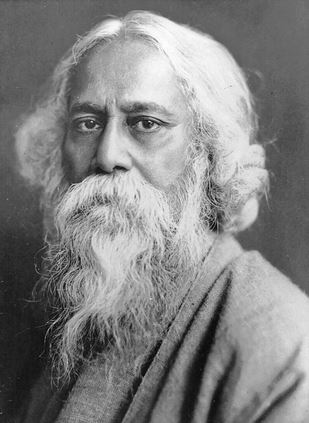
Rabindranath Tagore (Gurudev)

Calcutta (Kolkata, Bengal), India
Archival Overview
Towering polymath and spiritual voice of Asia who became the first non-European to win the Nobel Prize in Literature (1913) for Gitanjali, founded the open-air university Visva-Bharati at Santiniketan, and composed the national anthems of both India and Bangladesh.
Biographical Record
Rabindranath Tagore (1861–1941), affectionately called *Gurudev* ('Divine Teacher') by Mahatma Gandhi, revitalized Bengali literature, music, and art. In 1912, while sailing to England, Tagore translated into English prose-poems his devotional lyric collection Gitanjali (Song Offerings). Championed by W.B. Yeats, the volume took the Western literary world by storm, earning Tagore the 1913 Nobel Prize in Literature.
Tagore used his Nobel prize funds to expand his revolutionary ashram school at Santiniketan into Visva-Bharati University, embodying the Upanishadic motto 'where the world makes its home in a single nest'. Composing over 2,200 songs (*Rabindra Sangeet*), he holds the singular distinction of having penned the national anthems of two separate nations: India's Jana Gana Mana and Bangladesh's Amar Shonar Bangla. In 1919, he renounced his British knighthood in protest against the Jallianwala Bagh massacre.
Key Life Milestones
Award of the Nobel Prize in Literature for Gitanjali
Became the first non-European laureate in history, celebrated for his profound spiritual and lyric sensitivity.
Foundation of Visva-Bharati University at Santiniketan
Inaugurated his visionary global university bridging Eastern and Western philosophy, art, and universal education.
Memorial Guestbook & Tributes
0 messages recordedLeave a Respectful Tribute
Final Resting Place
Perpetual MemorialCalcutta (Kolkata), India