 New Kingdom of Egypt (Egypt)
•
2 views
New Kingdom of Egypt (Egypt)
•
2 views
Nefertiti (Neferneferuaten Nefertiti)

Thebes, New Kingdom of Egypt (Egypt)
Archival Overview
Queen of the Eighteenth Dynasty and Great Royal Wife of Pharaoh Akhenaten, iconic symbol of feminine majesty and power in antiquity.
Biographical Record
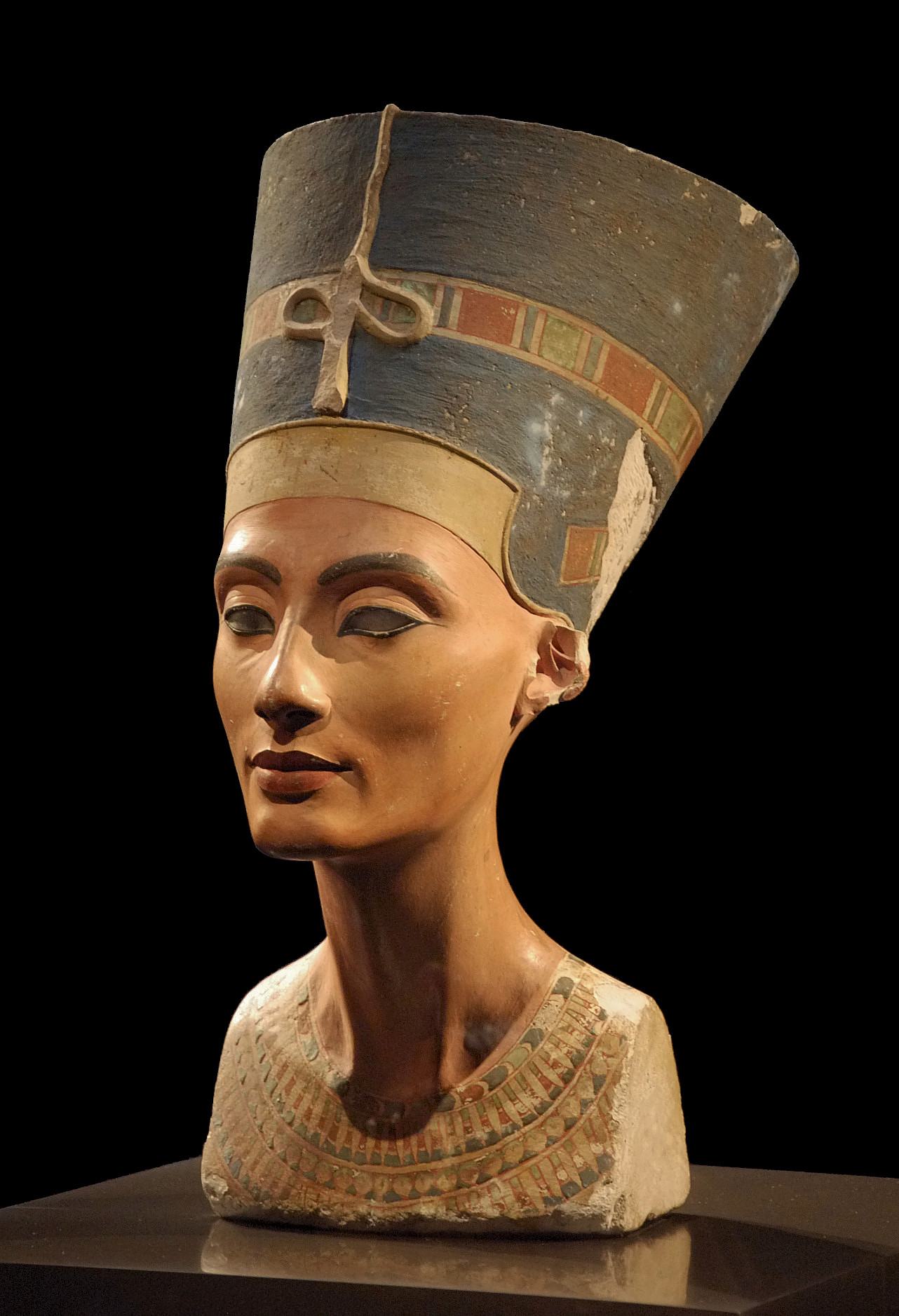
Neferneferuaten Nefertiti was one of the most powerful and enigmatic queens of the ancient world. Ruling alongside her husband Pharaoh Akhenaten during the revolutionary Amarna period, Nefertiti enjoyed religious and political authority unprecedented for an Egyptian queen consort. Depicted wearing her trademark tall, flat-topped blue crown, she was shown smiting Egypt's enemies in battle, driving her own chariot, and worshipping the sun disc Aten as an equal divine intermediary.
Nefertiti bore six daughters, including Ankhesenamun, who would marry Tutankhamun. Many Egyptologists believe that after Akhenaten's death, Nefertiti ruled Egypt as the female Pharaoh Neferneferuaten before Tutankhamun ascended the throne. In 1912, German archaeologist Ludwig Borchardt discovered her breathtaking painted limestone bust in the workshop of the royal sculptor Thutmose at Amarna. Now housed in the Neues Museum in Berlin, the Bust of Nefertiti has made her timeless face an immortal global icon of ancient beauty, grace, and regal authority.
Key Life Milestones
Co-Regency in the Aten Solar Revolution
Reign as Female Pharaoh Neferneferuaten
Memorial Guestbook & Tributes
0 messages recordedLeave a Respectful Tribute
Final Resting Place
Perpetual MemorialAmarna, Minya, Egypt