 Iraq
•
6 views
Iraq
•
6 views
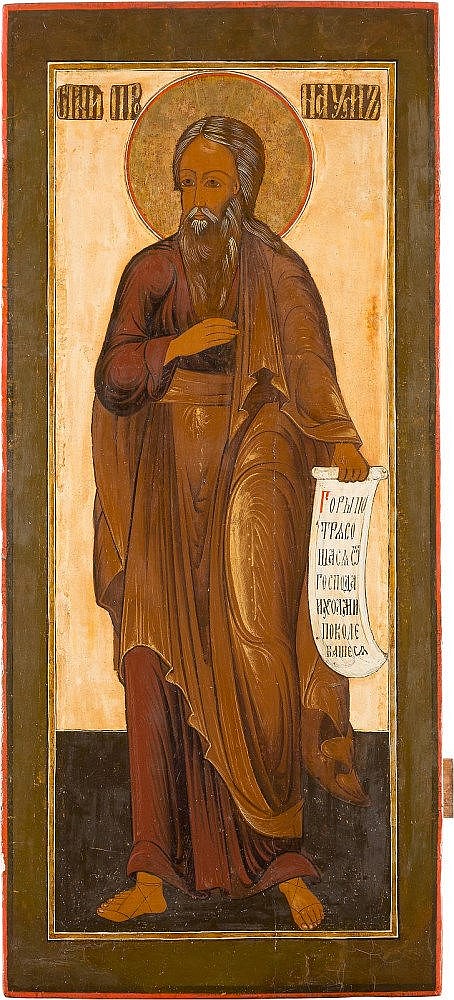
Nahum of Elkosh (Prophet of Retributive Justice)

Alqosh, Iraq
Archival Overview
Hailing from Elkosh in northern Mesopotamia, Nahum provided poetic comfort to small nations crushed under the brutal Assyrian Empire, heralding the downfall of tyranny and proclaiming good tidings of lasting peace.
Biographical Record
Nahum (whose name signifies 'Consoler' or 'Comforter') produced some of the most vivid, thunderous, and sublime poetry in the ancient world. His prophecies were directed toward Nineveh, the imperial capital of the Neo-Assyrian Empire, whose mechanized cruelty, mass impalements, and enslavement had terrorized the Ancient Near East for centuries.
The Downfall of Imperial Cruelty
Nahum declared that unbridled militarism and exploitation cannot endure forever before the court of heaven. Describing Nineveh as a 'bloody city, all full of lies and robbery,' he depicted with cinematic precision the breaching of its water gates, the charging of red-shielded chariots, and the sudden silence of its imperial lion's den.
Herald of Peace upon the Mountains
To the traumatized captives of Judah and neighboring peoples, Nahum offered unshakeable assurance that the reign of fear had ended: 'Behold upon the mountains the feet of him that bringeth good tidings, that publisheth peace!' His historic tomb in the ancient town of Alqosh, nestled against the mountains of northern Iraq, has been carefully preserved for thousands of years.
Key Life Milestones
The Oracle on the Fall of the Imperial Fortress Nineveh
Composes the epic poetic prophecy announcing the inexorable collapse of military tyranny and oppression.
Proclaiming Good Tidings of Deliverance to the Nations
Consoles the oppressed with visions of peace and the overthrow of the brutal Assyrian yoke.
Memorial Guestbook & Tributes
0 messages recordedLeave a Respectful Tribute
Final Resting Place
Perpetual MemorialAlqosh, Iraq