 Palestine
•
8 views
Palestine
•
8 views
Malachi (The Messenger of the Covenant)

Jerusalem, Palestine
Archival Overview
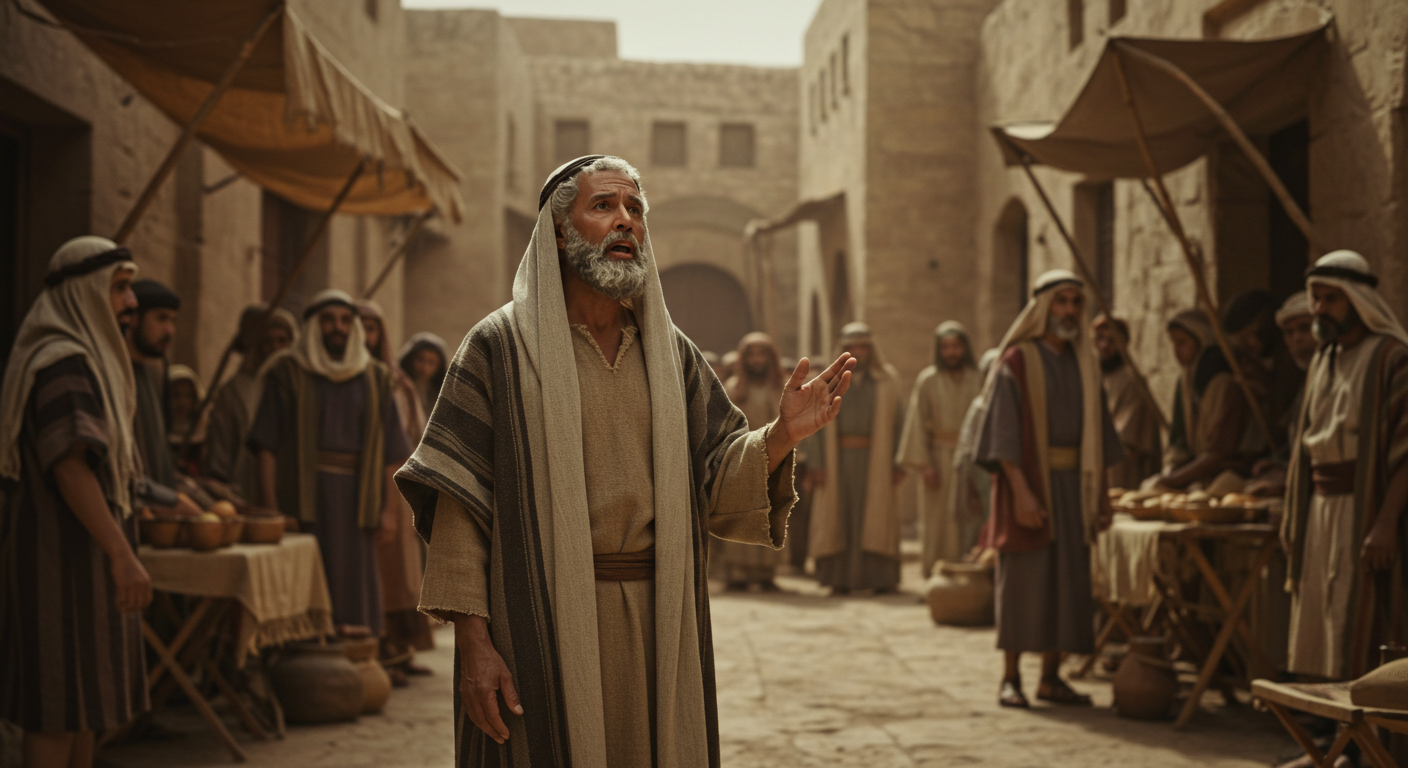
Closing the Hebrew prophetic canon, Malachi ('My Messenger') engaged the returned exiles in penetrating Socratic dialogue, condemning corrupt priesthood, marital unfaithfulness, and cheating of the poor, while foretelling the coming of Elijah.
Biographical Record
Malachi served as the concluding voice of Hebrew classical prophecy. Writing in the mid-fifth century BCE during the era of Ezra and Nehemiah, he pioneered a unique disputational style where God presents a charge, the skeptical community questions it, and the prophet delivers a devastating refutation.
Rebuking Priestly Apathy and Social Injustice
Malachi confronted priests who offered blind and lame animals on the altar, showing contempt for the sacred. He defended marriage covenants against frivolous divorces, declaring: 'Have we not all one Father? Hath not one God created us? Why do we deal treacherously every man against his brother?' He challenged the community to test God by bringing their full tithes so that food would be available for the needy.
The Sun of Righteousness and Elijah's Return
As the final prophetic word before centuries of canonical silence, Malachi looked ahead to the messianic dawn: 'Unto you that fear My name shall the Sun of righteousness arise with healing in his wings.' He promised that God would send Elijah the prophet before the great day to turn the hearts of fathers to their children and children to their fathers.
Key Life Milestones
Disputations with the Sacerdotal Elite & Defending the Covenant
Condemns hypocritical ritualism, upholds marital fidelity, and demands integrity in caring for the poor.
Prophecy of the Sun of Righteousness and Elijah's Mission
Concludes the Old Testament canon with the promise of divine healing and intergenerational reconciliation.
Memorial Guestbook & Tributes
0 messages recordedLeave a Respectful Tribute
Final Resting Place
Perpetual MemorialJerusalem, Israel