 Iraq
•
6 views
Iraq
•
6 views
Ezra / Uzair (The Scribe of God's Law)

Babylon, Iraq
Archival Overview
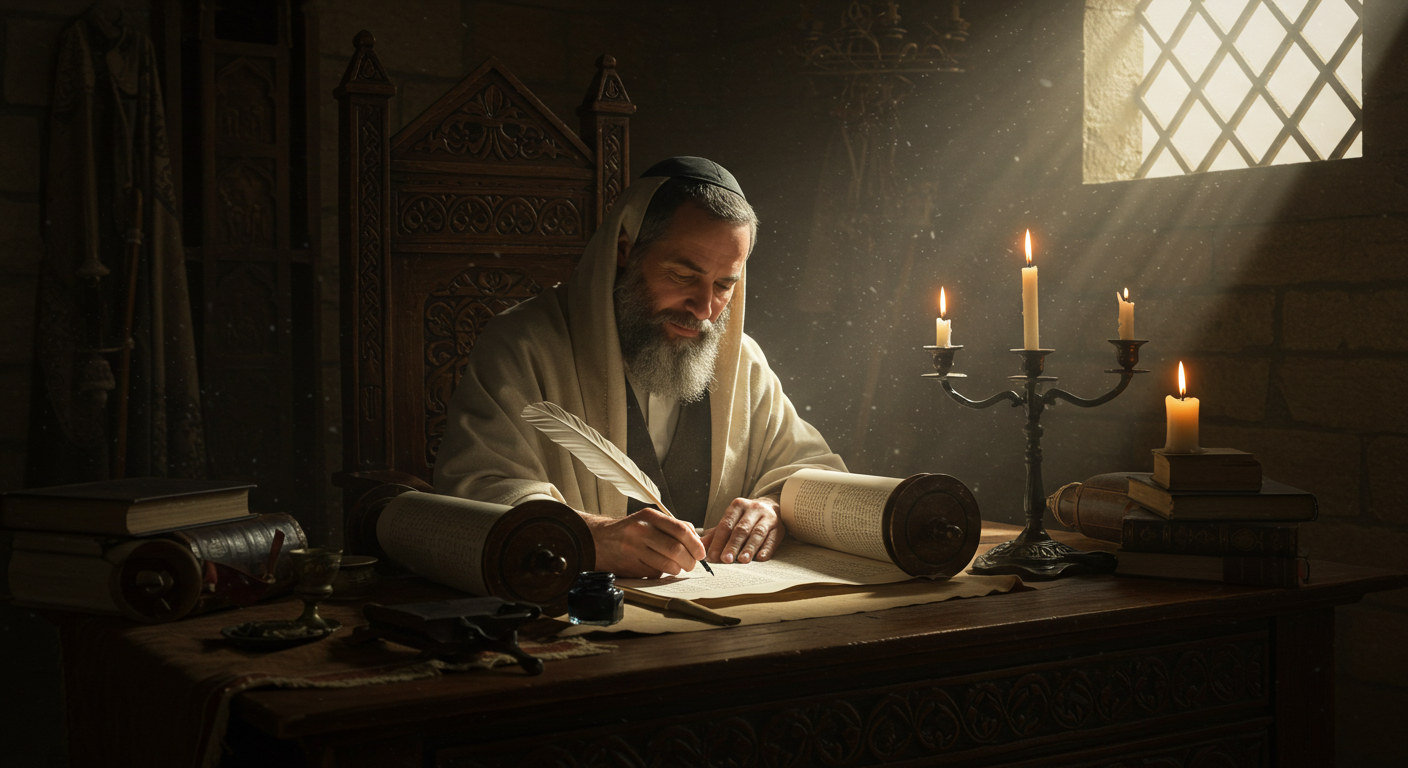
The venerated priest, scribe, and religious reformer who led thousands of Jewish exiles back from Babylon to Jerusalem, Ezra re-established the Torah as the foundational constitution of Jewish life and founded the Great Assembly.
Biographical Record
Ezra (celebrated as Ezra the Scribe and identified in Arabic tradition with Uzair) was a descendant of Aaron the High Priest. Highly favored at the imperial court of Persian Emperor Artaxerxes I, he was commissioned with royal authority to teach the divine statutes to the returnees in Yehud Medinata.
Reconstituting the Covenant and Scripture
Upon arriving in Jerusalem in 458 BCE, Ezra found a demoralized, assimilated population neglecting their spiritual heritage. In a historic public gathering at the Water Gate, Ezra stood atop a wooden pulpit from dawn to midday, unrolling the Torah scroll and reading it aloud while Levites translated and explained the meaning to all men, women, and children who could understand.
The Great Assembly & Canon
Ezra is traditionally credited with establishing the Great Assembly (Anshei Knesset HaGedolah), introducing the square Hebrew script (Ktav Ashuri), standardizing public Torah readings on Mondays and Thursdays, and organizing the biblical canon. His historic shrine along the Tigris in southern Iraq has been venerated by Jews and Muslims for over two thousand years.
Key Life Milestones
Return of the Exiles Under Royal Persian Charter
Leads the second wave of exiles from Babylon to Jerusalem endowed with imperial decrees to establish religious law.
Public Reading of the Torah & Religious Reformation
Reads the Torah before the assembled nation at the Water Gate, founding the Great Assembly and canonizing scripture.
Memorial Guestbook & Tributes
0 messages recordedLeave a Respectful Tribute
Final Resting Place
Perpetual MemorialAl-Uzayr, Iraq