 Palestine
•
5 views
Palestine
•
5 views
Amos of Tekoa (The Prophet of Social Justice)

Tekoa, Palestine
Archival Overview
A humble herdsman and tender of sycamore fig trees from Judah, Amos was called by God to confront the Northern Kingdom of Israel, delivering scorching poetic oracles against the exploitation of the poor and hollow ritualism.
Biographical Record
Amos is the earliest of the writing prophets of the Hebrew Bible whose words have survived in an independent book. Not an heir to a priestly dynasty or court guild, he described himself plainly: 'I was no prophet, neither was I a prophet's son; but I was an herdman, and a gatherer of sycamore fruit: and the Lord took me as I followed the flock.'
Scourge of Aristocratic Greed
Entering the royal sanctuary of Bethel during the reign of Jeroboam II—an era of military success and decadent wealth—Amos fearlessly condemned the predatory nobility who 'trampled the poor and sold the righteous for silver and the needy for a pair of sandals.' He rejected ostentatious religious festivals devoid of moral integrity, warning that empty religious rituals without justice are an abomination before God.
Immortal Cry for Justice
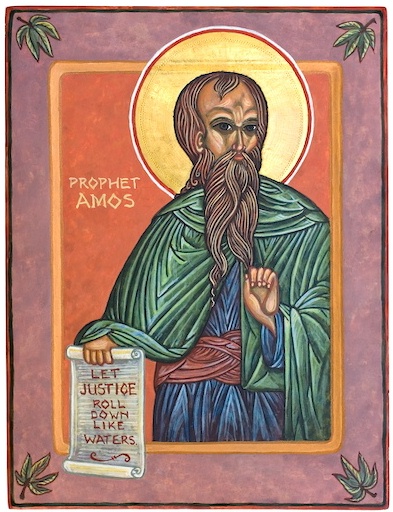
Amos penned one of the most celebrated ethical imperatives in human literature: 'Let justice roll down like waters, and righteousness like a mighty stream'—words that echoed through the centuries and inspired Martin Luther King Jr. and global civil rights movements.
Key Life Milestones
The Oracle of Judgment at the Bethel Royal Sanctuary
Denounces the corrupt oligarchy and priestly elite, proclaiming the supremacy of moral justice over ritual sacrifice.
The Five Visions of the Plumb Line and Restoration
Records the prophetic visions of the divine plumb line, locust plague, and the ultimate restoration of David's fallen booth.
Memorial Guestbook & Tributes
0 messages recordedLeave a Respectful Tribute
Final Resting Place
Perpetual MemorialTekoa, Palestine