 Kingdom of Prussia (Poland)
•
4,159 views
Kingdom of Prussia (Poland)
•
4,159 views
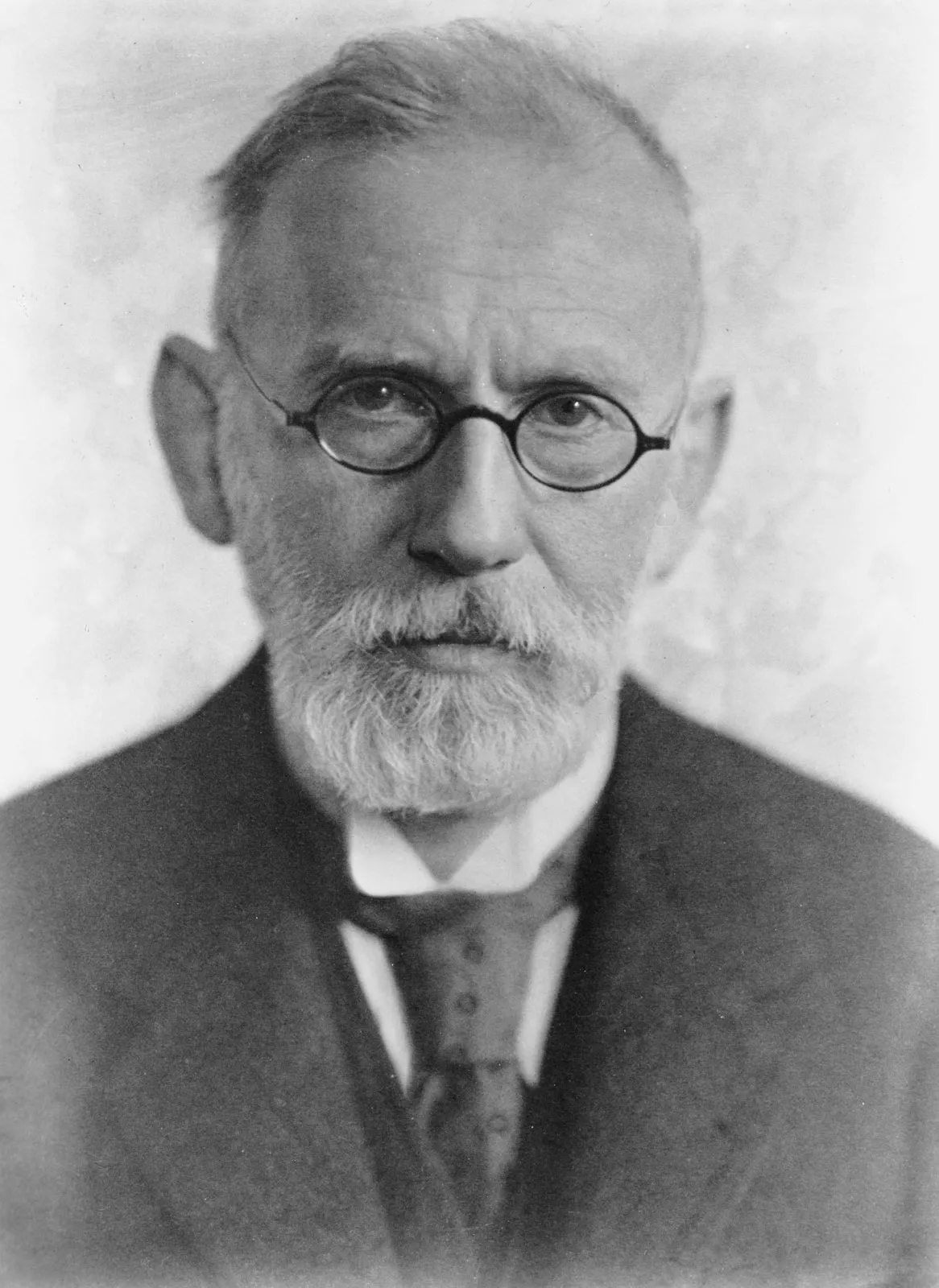
Paul Ehrlich

Strehlen, Silesia, Kingdom of Prussia (Poland)
Archival Overview
Pioneering German medical scientist who founded chemotherapy, discovered Salvarsan for syphilis, and formulated the side-chain theory of immunity.
Biographical Record
Paul Ehrlich was a visionary German physician and scientist whose multidisciplinary innovations founded modern hematology, immunology, and chemotherapy. As a medical student fascinated by histology, Ehrlich discovered mast cells and developed differential dye-staining techniques using aniline dyes that enabled the classification of white blood cells, which Robert Koch used to identify the tuberculosis bacillus.
Turning to immunology, Ehrlich developed the first standardized diphtheria antiserum with Emil von Behring and formulated the side-chain theory of immunity, proposing that antibodies are specific cellular receptors triggered by toxins, earning the 1908 Nobel Prize in Physiology or Medicine. Ehrlich envisioned a synthetic chemical agent that would selectively target pathogenic invaders without harming host tissues—a concept he famously termed the 'magic bullet' (Zauberkugel). In 1909, after screening hundreds of organoarsenic compounds with Sahachiro Hata, he discovered Compound 606 (Salvarsan), the world's first effective chemotherapy cure for syphilis, ending centuries of terror.
Key Life Milestones
Nobel Prize in Physiology or Medicine
Awarded the Nobel Prize in Physiology or Medicine alongside Ilya Mechnikov in recognition of their work on immunity.
Discovery of Salvarsan (Magic Bullet)
Discovered arsphenamine (Compound 606), the first targeted antimicrobial chemotherapy to cure syphilis.
Memorial Guestbook & Tributes
0 messages recordedLeave a Respectful Tribute
Final Resting Place
Perpetual MemorialFrankfurt am Main, Hesse, Germany