 Ottoman Empire (Greece)
•
5 views
Ottoman Empire (Greece)
•
5 views
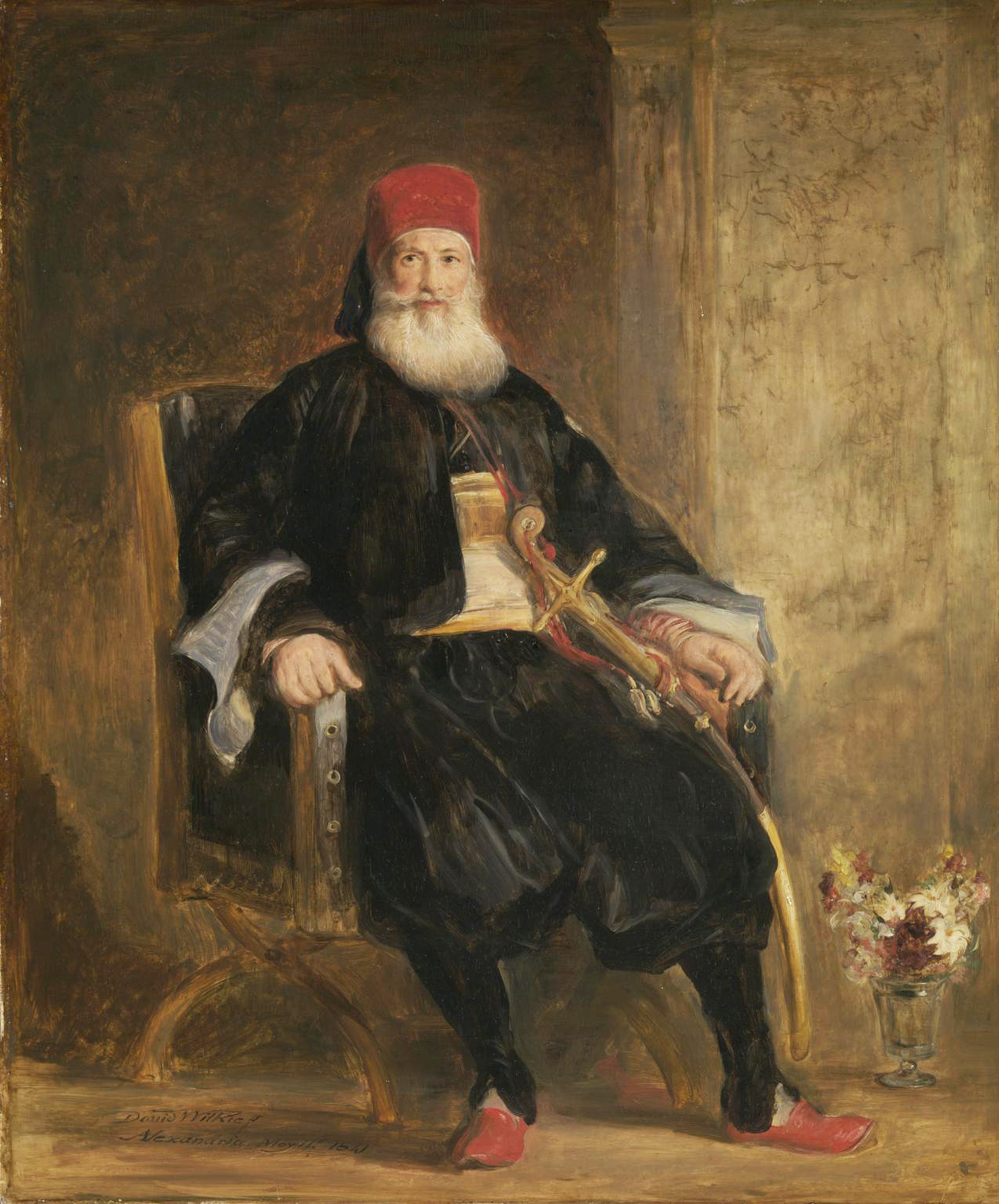
Muhammad Ali of Egypt

Kavala, Ottoman Empire (Greece)
Archival Overview
Visionary Ottoman commander acclaimed as the 'Founder of Modern Egypt', who eliminated Mamluk hegemony, introduced long-staple cotton, built state industries, and founded the dynasty that governed Egypt until 1952.
Biographical Record
Muhammad Ali Pasha (1769–1849) arrived in Egypt in 1801 as second-in-command of an Albanian Ottoman regiment sent to repel Napoleon's French expedition. Skillfully navigating local politics, he was acclaimed Wali by Cairo's ulema in 1805. In 1811, he consolidated absolute authority by eliminating the Mamluks at the Citadel of Cairo.
Muhammad Ali launched an astonishing state-directed revolution: nationalizing agricultural lands, digging the Mahmoudiyah Canal, establishing modern textile and munitions factories, and introducing cash-crop Jumel cotton. He dispatched educational missions to Paris under Rifa'a al-Tahtawi, founded the Bulaq Press, and established modern medicine and military academies, transforming Egypt into an autonomous Mediterranean power.
Key Life Milestones
Acclamation as Wali of Egypt
Appointed ruler following a popular Cairo revolt, establishing the Muhammad Ali Dynasty.
The Agrarian & Industrial Revolution
Introduced long-staple cotton, state factories, and the Bulaq Press, transforming the Egyptian economy.
Memorial Guestbook & Tributes
0 messages recordedLeave a Respectful Tribute
Final Resting Place
Perpetual MemorialCairo, Egypt