 Holy Roman Empire
•
2 views
Holy Roman Empire
•
2 views
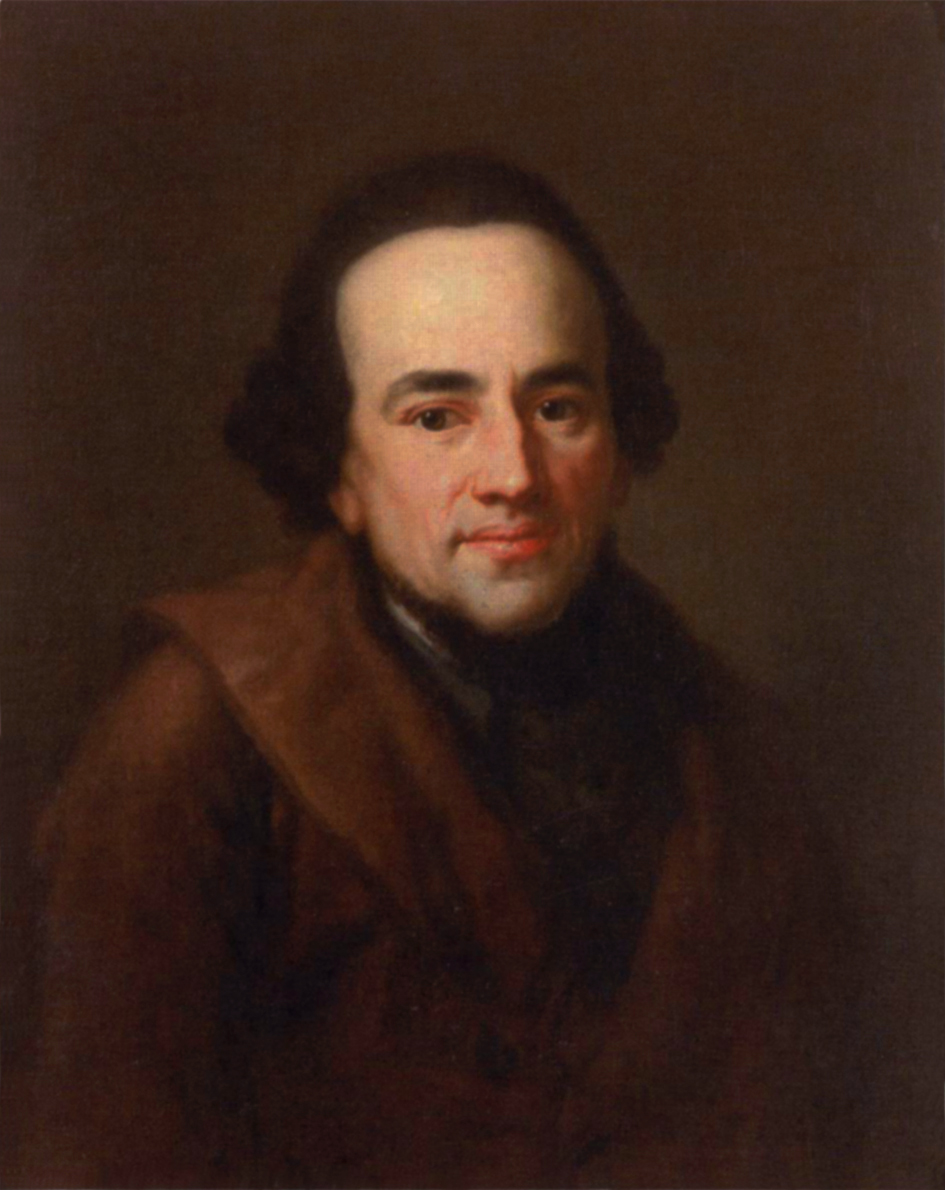
Moses Mendelssohn

Dessau (Anhalt-Dessau), Holy Roman Empire
Archival Overview
German-Jewish philosopher hailed as the 'German Plato', leader of the Jewish Enlightenment (Haskalah), who translated the Torah into German and advocated religious tolerance in Jerusalem.
Biographical Record
Born into poverty with curvature of the spine, Moses Mendelssohn (1729–1786) taught himself German, Latin, French, and English in Berlin, winning the 1763 Prussian Royal Academy prize in philosophy over Immanuel Kant. He was the real-life inspiration for his close friend Gotthold Ephraim Lessing's masterpiece 'Nathan the Wise'.
In 1783, Mendelssohn published 'Jerusalem, or on Religious Power and Judaism', defending absolute separation of church and state, religious freedom of conscience, and minority civil rights. His translation of the Pentateuch into German in Hebrew script opened European secular culture to Jewish society.
Key Life Milestones
Prussian Royal Academy Prize
Awarded first prize for his essay on evidence in metaphysics, triumphing over Immanuel Kant.
Jerusalem, or on Religious Power and Judaism
Published his seminal defense of religious tolerance, pluralism, and freedom of conscience.
Memorial Guestbook & Tributes
0 messages recordedLeave a Respectful Tribute
Final Resting Place
Perpetual MemorialBerlin, Germany