 Russian Empire
•
4 views
Russian Empire
•
4 views
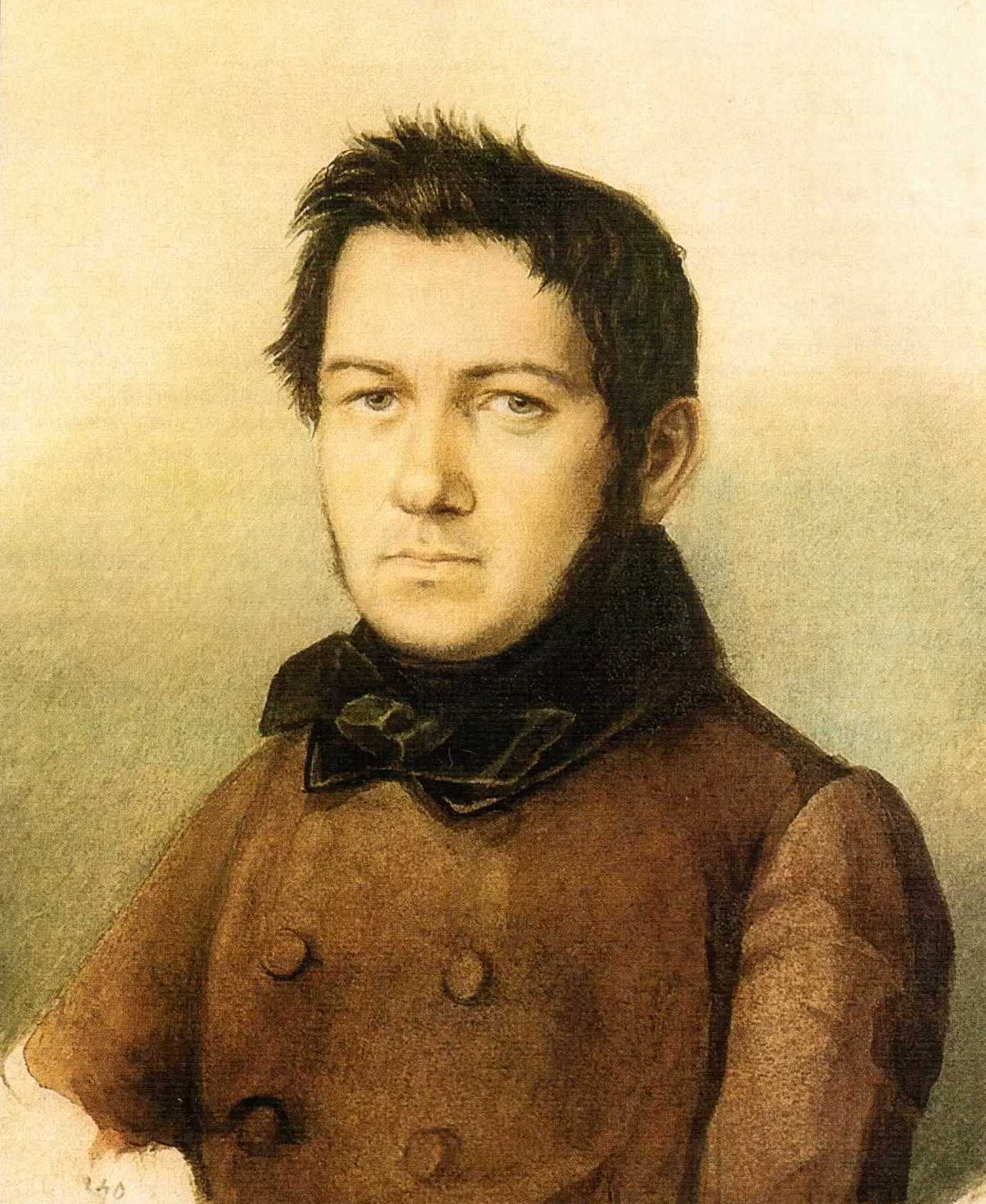
Mikhail Glinka

Novospasskoye, Russian Empire
Archival Overview
Russian composer acclaimed as the father of Russian classical music, who liberated Russian music from foreign dominance with 'A Life for the Tsar' and 'Ruslan and Lyudmila'.
Biographical Record
Mikhail Glinka grew up in an aristocratic family listening to Russian peasant folksongs and his uncle's private serf orchestra. After studying classical composition in Milan, Vienna, and Berlin, Glinka was overcome by a profound patriotic desire to create an authentic Russian national art form rooted in native melodies.
In 1836, Glinka premiered 'A Life for the Tsar' (Ivan Susanin) in St. Petersburg in the presence of Emperor Nicholas I. It marked the birth of Russian national opera, synthesizing Western operatic counterpoint with authentic Russian modal folksongs. His orchestral fantasy 'Kamarinskaya' was praised by Tchaikovsky as the seed from which all Russian symphonic music grew.
Key Life Milestones
A Life for the Tsar Premiere
Premiered the historic opera that inaugurated the Russian classical music tradition.
Kamarinskaya Orchestral Fantasy
Composed the pioneering fantasy on Russian dance themes that laid the foundation for the Russian symphonic school.
Memorial Guestbook & Tributes
0 messages recordedLeave a Respectful Tribute
Final Resting Place
Perpetual MemorialBerlin, Kingdom of Prussia