 United States
•
2 views
United States
•
2 views
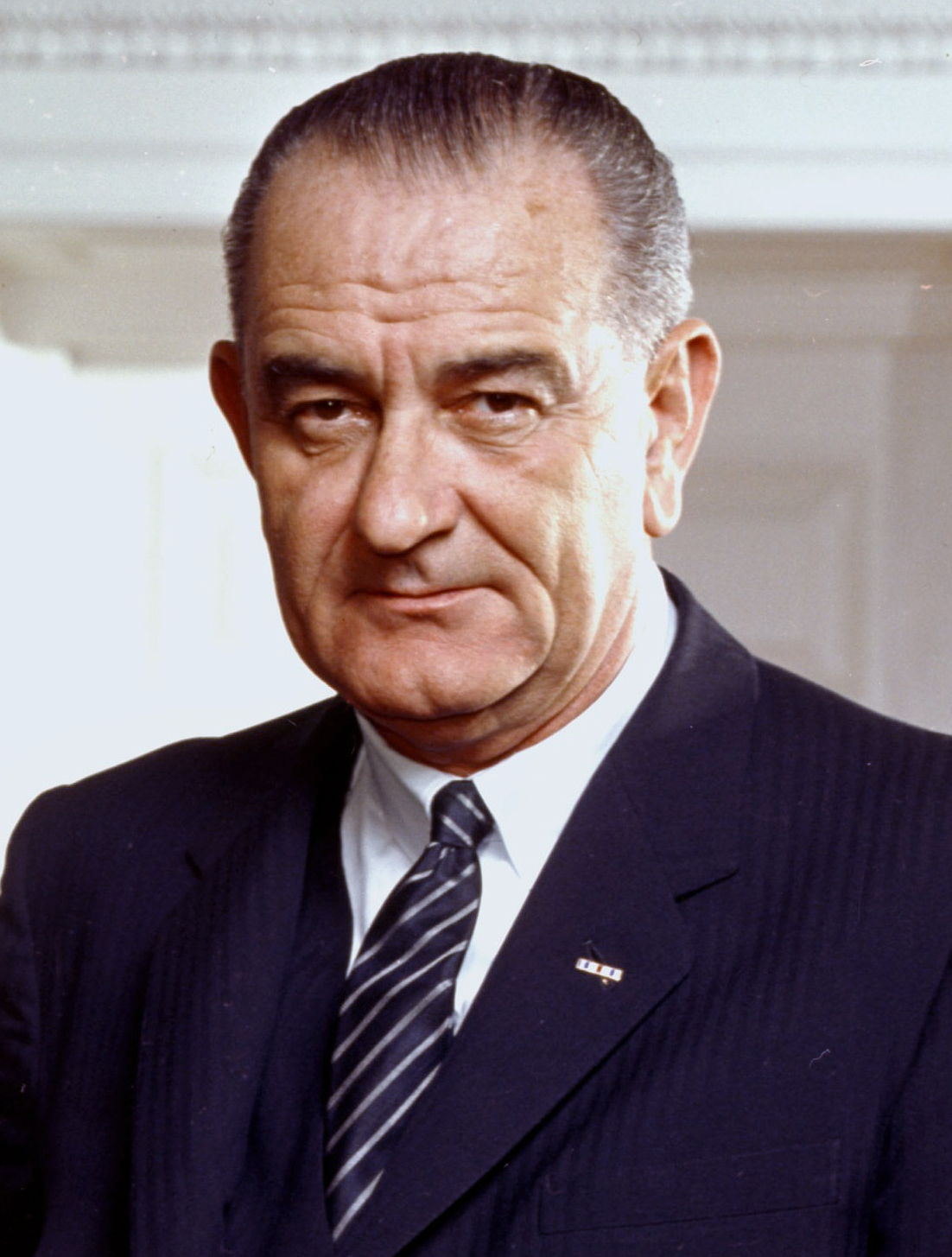
Lyndon B. Johnson

Stonewall, Texas, United States
Archival Overview
36th US President and legislative titan whose 'Great Society' domestic vision enacted Medicare, Medicaid, the Civil Rights Act of 1964, and the Voting Rights Act of 1965.
Biographical Record
Lyndon Baines Johnson (1908–1973), known as LBJ, was an American politician who served as the 36th President of the United States (1963–1969) and previously as Senate Majority Leader and Vice President. Rising from rural poverty in the Texas Hill Country, Johnson became the most formidable legislative tactician in Senate history, perfecting 'the Johnson Treatment' of overpowering political persuasion.
Assuming the presidency after John F. Kennedy's assassination in November 1963, Johnson marshaled unprecedented legislative victories, winning a landslide re-election in 1964. His 'Great Society' agenda transformed American life: enacting the landmark Civil Rights Act of 1964, the Voting Rights Act of 1965, the War on Poverty, Head Start, Medicare, and Medicaid. However, his escalation of US military involvement in the Vietnam War severely divided the nation and overshadowed his domestic legacy, leading him not to seek re-election in 1968.
Key Life Milestones
Civil Rights Act of 1964 Signed
Signed the Civil Rights Act of 1964, utilizing legendary legislative pressure to legally dismantle Jim Crow segregation across the United States.
Voting Rights Act and Medicare
Signed the Voting Rights Act of 1965 and established Medicare and Medicaid, securing health security and civil enfranchisement for millions.
Memorial Guestbook & Tributes
0 messages recordedLeave a Respectful Tribute
Final Resting Place
Perpetual MemorialStonewall, Texas, United States