 England
•
2 views
England
•
2 views
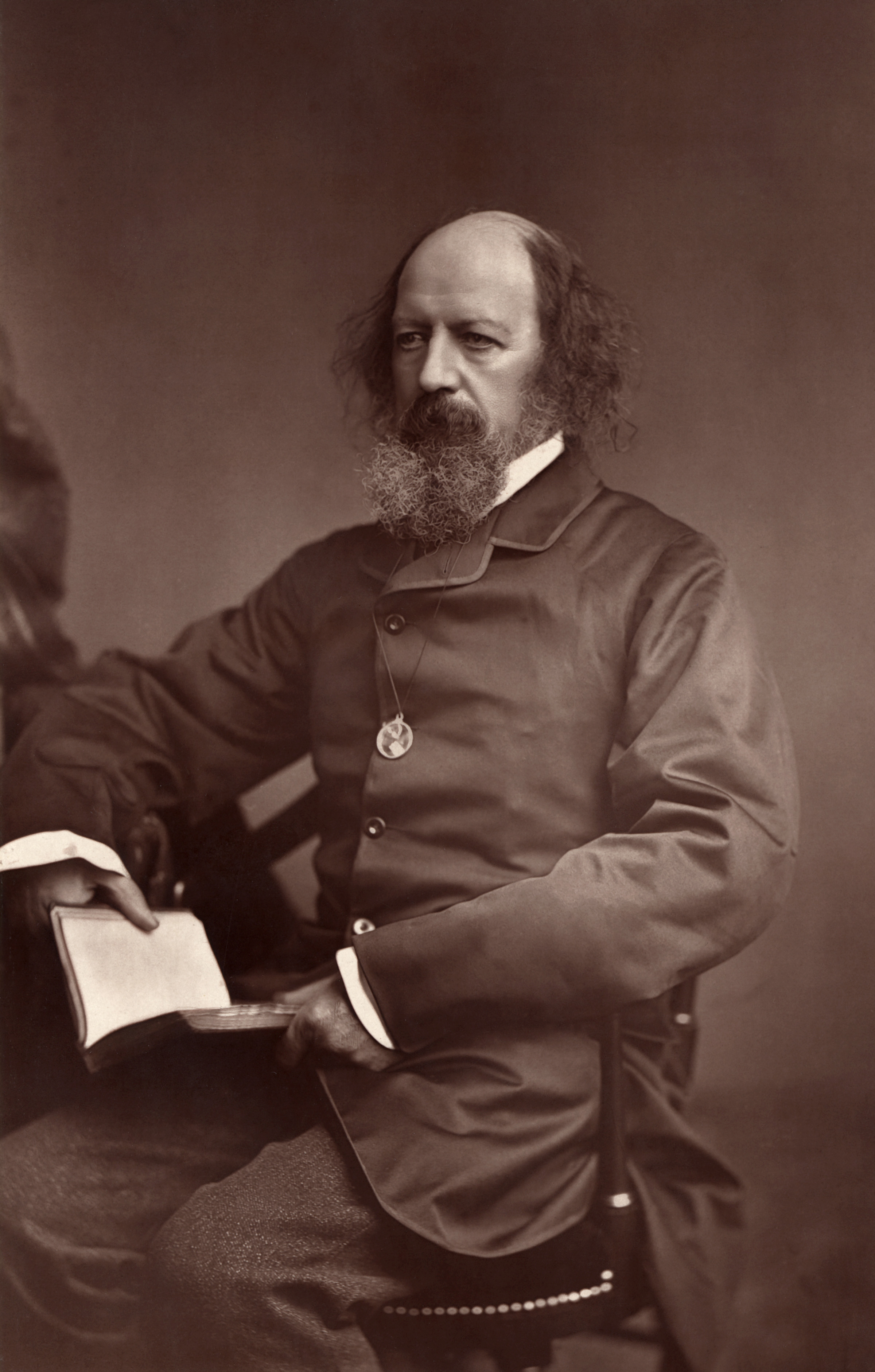
Alfred, Lord Tennyson

Somersby, England
Archival Overview
Victorian Poet Laureate whose magnificent lyric music in In Memoriam A.H.H., 'The Charge of the Light Brigade', and 'Ulysses' came to define the Victorian spirit.
Biographical Record
Alfred, Lord Tennyson (1809–1892) was the preeminent poet of the Victorian era and England's Poet Laureate for forty-two years, succeeding William Wordsworth in 1850. Educated at Trinity College, Cambridge, where he joined the elite Cambridge Apostles society, Tennyson was devastated by the sudden death of his closest companion, Arthur Henry Hallam, in 1833.
Tennyson poured his seventeen years of grief into In Memoriam A.H.H. (1850), an elegiac masterpiece that captured the Victorian struggle between Christian faith, evolutionary biology ('Nature, red in tooth and claw'), and mortality. His patriotic and heroic poems, including 'The Charge of the Light Brigade', 'Ulysses' ('To strive, to seek, to find, and not to yield'), and his Arthurian epic Idylls of the King, resonated so powerfully that Queen Victoria sought his counsel in her bereavement.
Key Life Milestones
In Memoriam and Poet Laureate
Published In Memoriam A.H.H. and was appointed Poet Laureate by Queen Victoria, serving longer than any laureate in British history.
The Charge of the Light Brigade
Composed 'The Charge of the Light Brigade' upon reading news of the Battle of Balaclava, giving voice to stoic soldierly duty.
Memorial Guestbook & Tributes
0 messages recordedLeave a Respectful Tribute
Final Resting Place
Perpetual MemorialLondon, United Kingdom