 Colonial Brazil
•
3 views
Colonial Brazil
•
3 views
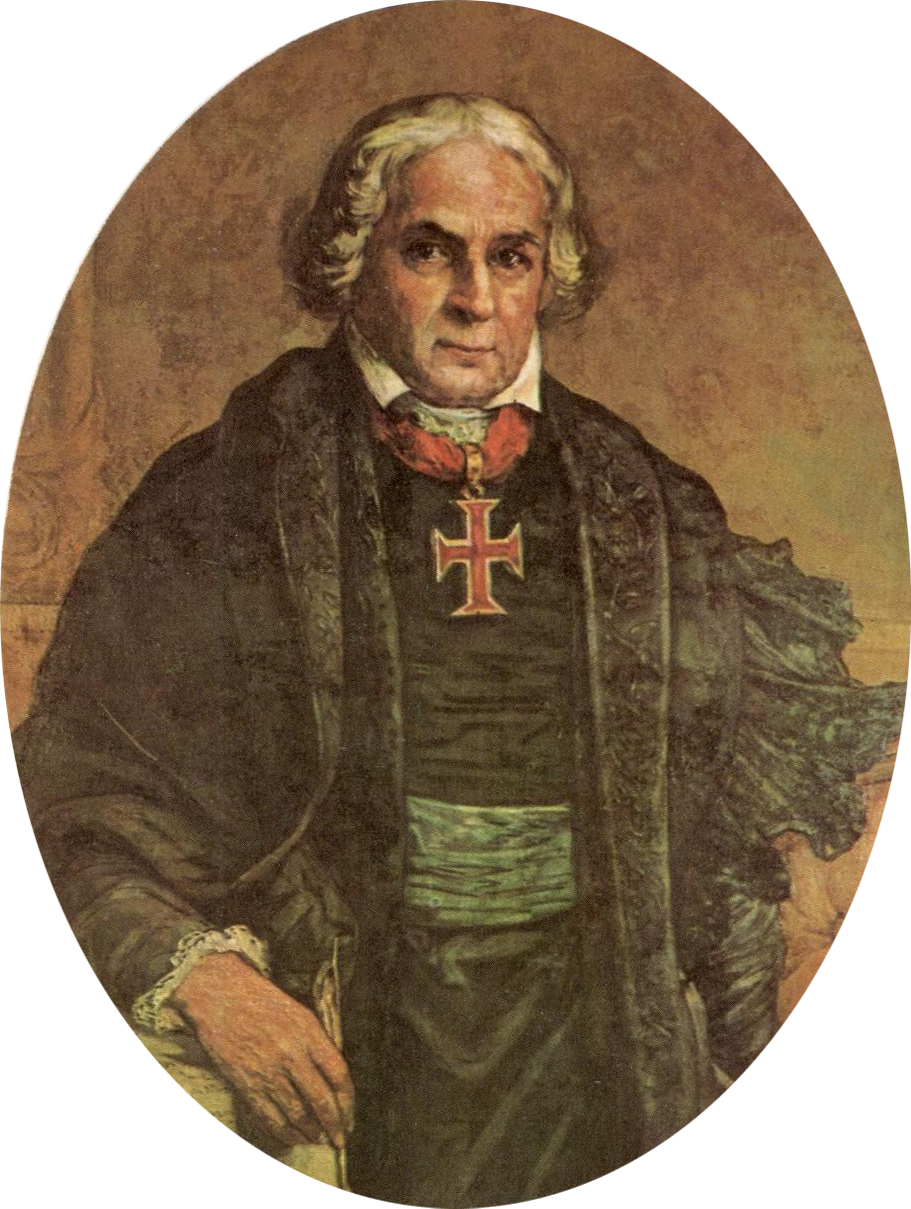
Jose Bonifacio

Santos (Sao Paulo), Colonial Brazil
Archival Overview
Renowned mineralogist who discovered four new minerals (including petalite, which led to the discovery of lithium), and statesman revered as the 'Patriarch of Brazilian Independence' who guided Prince Pedro to declare independence from Portugal in 1822.
Biographical Record
José Bonifácio de Andrada e Silva (1763–1838) was an internationally respected scientist who studied under Lavoisier and Werner, discovering twelve new minerals in Scandinavia, including petalite and spodumene. Returning to Brazil in 1819 after three decades in Europe, he became the chief intellectual counselor to Prince Regent Pedro.
In September 1822, Bonifácio drafted the decisive correspondence that prompted Pedro's famous 'Cry of Ipiranga' ('Independence or Death!'), establishing the Empire of Brazil without fracturing the vast continent into warring republics. A visionary abolitionist, he presented the first comprehensive plan to abolish slavery and integrate indigenous peoples into full Brazilian citizenship.
Key Life Milestones
Discovery of Petalite and Spodumene
Discovered the rare Swedish minerals that enabled Jons Jacob Berzelius to discover the chemical element lithium.
Architect of Brazilian Independence
Orchestrated the peaceful transition to independent Brazilian monarchy as Prime Minister.
Memorial Guestbook & Tributes
0 messages recordedLeave a Respectful Tribute
Final Resting Place
Perpetual MemorialSantos (Sao Paulo), Brazil