 Switzerland
•
8 views
Switzerland
•
8 views
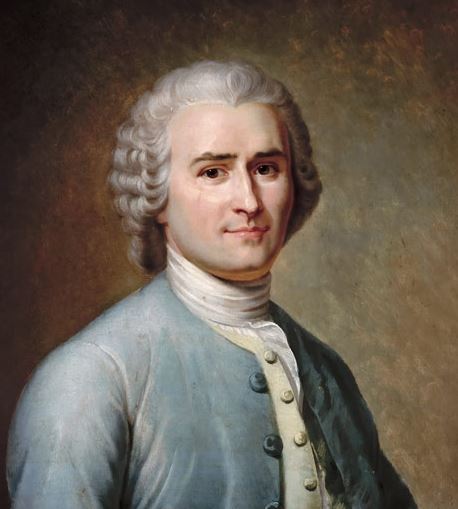
Jean-Jacques Rousseau

Geneva, Switzerland
Archival Overview
Genevan philosopher whose Social Contract, Émile, and Confessions championed popular sovereignty, direct democracy, natural education, and the primacy of authentic human sentiment.
Biographical Record
Jean-Jacques Rousseau (1712–1778), born in Protestant Geneva, rose to sudden fame in 1750 when his *Discourse on the Arts and Sciences* boldly argued that civilization had corrupted humanity's natural virtue. Walking through the forests around Paris, he formulated a philosophy that transformed politics, education, and literature.
In The Social Contract (1762), Rousseau articulated the principle of popular sovereignty and the 'General Will' (*volonté générale*), arguing that true political freedom consists in active citizen participation. His educational treatise Émile and autobiographical *Confessions* laid the emotional foundations for European Romanticism.
Key Life Milestones
Publication of 'The Social Contract' (Du contrat social)
Articulated modern democratic theory: sovereignty belongs inalienably to the citizens united as a people.
Publication of 'Émile, or On Education'
Revolutionized pedagogy by championing natural development, emotional intuition, and child-centered learning.
Memorial Guestbook & Tributes
0 messages recordedLeave a Respectful Tribute
Final Resting Place
Perpetual MemorialErmenonville (Oise), France