 Scotland
•
10 views
Scotland
•
10 views
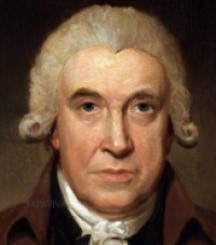
James Watt

Greenock (Renfrewshire), Scotland
Archival Overview
Scottish mechanical engineer whose invention of the separate condenser transformed the steam engine from an inefficient pump into the universal rotary prime mover of the Industrial Revolution.
Biographical Record
James Watt (1736–1819) worked as mathematical instrument maker to the University of Glasgow, befriending chemist Joseph Black and economist Adam Smith. Tasked with repairing a model of Thomas Newcomen's atmospheric engine in 1764, Watt realized that cooling the main cylinder with water on every stroke wasted over 75% of the steam's heat energy.
In 1765, walking on Glasgow Green, he conceived the separate condenser: keeping the main cylinder boiling hot while condensing steam in an auxiliary cold chamber. Partnering with Birmingham industrialist Matthew Boulton, Watt patented double-acting rotative engines, centrifugal governors, and indicator diagrams, coining the term 'horsepower'. The SI unit of power, the *Watt* (W), honors his genius.
Key Life Milestones
Patent for the Separate Condenser Steam Engine
Secured patent 913 for lessening the consumption of steam and fuel in fire engines, launching modern industrial power.
Invention of the Centrifugal Flyball Governor
Engineered the world's first industrial negative-feedback automatic control system regulating steam engine speed.
Memorial Guestbook & Tributes
0 messages recordedLeave a Respectful Tribute
Final Resting Place
Perpetual MemorialBirmingham, United Kingdom