 Ireland
•
8 views
Ireland
•
8 views
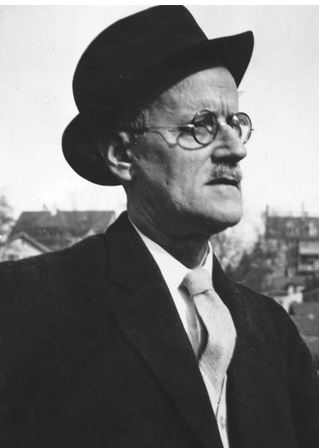
James Augustine Aloysius Joyce

Rathgar (Dublin), Ireland
Archival Overview
Revolutionary Irish avant-garde novelist whose landmark masterwork Ulysses (1922)—recounting a single Dublin day, 16 June 1904 (Bloomsday), through Leopold Bloom's stream of consciousness—permanently transformed modern world literature.
Biographical Record
James Joyce (1882–1941), educated by the Jesuits at Clongowes Wood and University College Dublin, chose self-imposed exile in 1904, living across Trieste, Paris, and Zurich with his lifelong partner Nora Barnacle. Yet throughout four decades abroad, Joyce famously remarked: 'For myself, I always write about Dublin, because if I can get to the heart of Dublin I can get to the heart of all the cities of the world.'
After publishing the short story collection Dubliners (featuring 'The Dead') and A Portrait of the Artist as a Young Man, Joyce completed Ulysses. Published in Paris on his 40th birthday in 1922 by Sylvia Beach at Shakespeare and Company, the novel parallelled Homer's Odyssey across eighteen distinct literary styles and radical stream-of-consciousness interior monologues. Banned in Britain and America for obscenity until a historic 1933 federal court ruling, Joyce's work is celebrated annually across the globe on June 16 as Bloomsday.
Key Life Milestones
Publication of Ulysses by Shakespeare and Company in Paris
Sylvia Beach published Ulysses on Joyce's 40th birthday, inaugurating the high modernist revolution in world prose.
Publication of Finnegans Wake
Published his cyclopean multilingual nocturnal masterpiece seventeen years in the writing.
Memorial Guestbook & Tributes
0 messages recordedLeave a Respectful Tribute
Final Resting Place
Perpetual MemorialZurich, Switzerland