 Netherlands
•
3,290 views
Netherlands
•
3,290 views
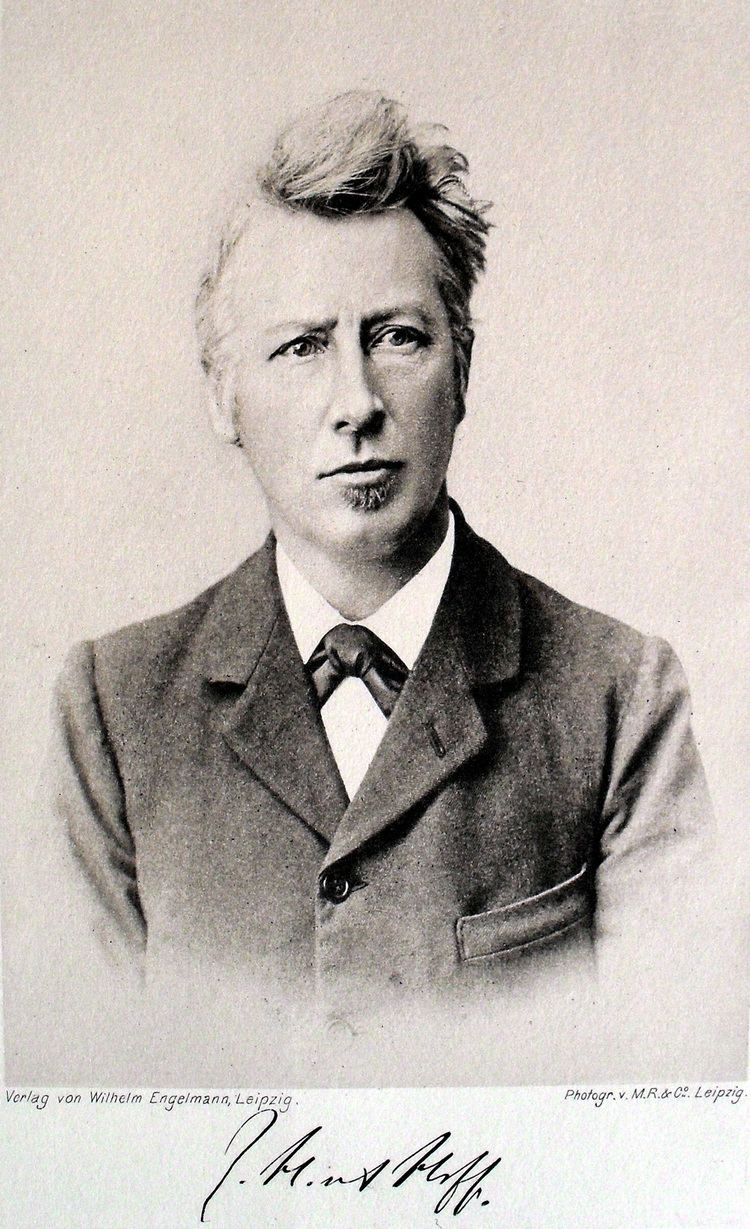
Jacobus Henricus van 't Hoff

Rotterdam, Netherlands
Archival Overview
Inaugural winner of the Nobel Prize in Chemistry (1901) who founded modern stereochemistry, chemical kinetics, and osmotic pressure theory.
Biographical Record
Jacobus Henricus van 't Hoff was a Dutch physical and organic chemist whose groundbreaking theoretical concepts revolutionized multiple branches of molecular science. In 1874, before completing his doctorate, the twenty-two-year-old van 't Hoff proposed that the four chemical valences of the carbon atom are directed toward the corners of a regular tetrahedron. By explaining that asymmetric carbon atoms give rise to optical isomerism (enantiomers), he founded the science of stereochemistry (3D chemistry).
Turning to physical chemistry, van 't Hoff formulated the laws of chemical kinetics and chemical equilibrium, deriving the famous van 't Hoff equation connecting the equilibrium constant of a reaction to temperature and enthalpy changes. Furthermore, he demonstrated that dilute solutions obey laws mathematically identical to ideal gas laws, introducing the van 't Hoff factor (i) for osmotic pressure and electrolytic dissociation. For his discovery of the laws of chemical dynamics and osmotic pressure in solutions, van 't Hoff made history in 1901 by receiving the very first Nobel Prize in Chemistry.
Key Life Milestones
Creation of Stereochemistry
Proposed the tetrahedral model of carbon bonding, explaining optical activity and establishing 3D molecular chemistry.
First Nobel Prize in Chemistry
Awarded the inaugural Nobel Prize in Chemistry in recognition of the extraordinary services rendered by his discovery of chemical dynamics and osmotic pressure in solutions.
Memorial Guestbook & Tributes
0 messages recordedLeave a Respectful Tribute
Final Resting Place
Perpetual MemorialBerlin, Germany