 Russia
•
11 views
Russia
•
11 views
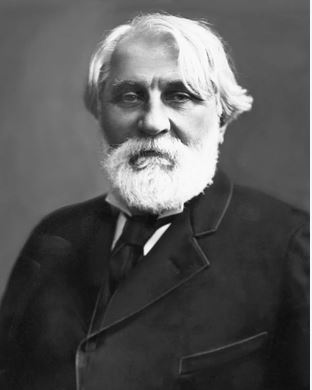
Ivan Sergeyevich Turgenev

Oryol, Russia
Archival Overview
Distinguished Russian realist novelist whose A Sportsman's Sketches helped convince Tsar Alexander II to emancipate the serfs, and whose masterpiece Fathers and Sons introduced the generational concept of nihilism (Bazarov).
Biographical Record
Ivan Sergeyevich Turgenev (1818–1883), raised on his mother's sprawling Spasskoye-Lutovinovo estate where he was appalled by the cruelties inflicted on serfs, took a vow to fight serfdom with his pen. In 1852, his short story collection A Sportsman's Sketches painted Russian peasants with profound psychological dignity, playing a celebrated role in influencing Alexander II's 1861 Emancipation Manifesto.
Living largely in Western Europe in close companionship with French opera singer Pauline Viardot, Turgenev served as Russia's supreme literary ambassador to the West, introducing Tolstoy and Dostoevsky to Flaubert, Zola, and Henry James. In his 1862 masterpiece Fathers and Sons, through the revolutionary character of the young medical student Bazarov, Turgenev coined and popularized the term nihilism, capturing the irreconcilable ideological chasm between Russian aristocratic liberals and radical materialist youth.
Key Life Milestones
Publication of A Sportsman's Sketches (Zapiski okhotnika)
Published his humanizing portraits of Russian serfs, credited with accelerating the abolition of serfdom in Russia.
Publication of Fathers and Sons (Ottsy i deti)
Published his generational tour de force introducing Bazarov and popularizing the concept of modern nihilism.
Memorial Guestbook & Tributes
0 messages recordedLeave a Respectful Tribute
Final Resting Place
Perpetual MemorialBougival (near Paris), France