 Irak
•
2 views
Irak
•
2 views
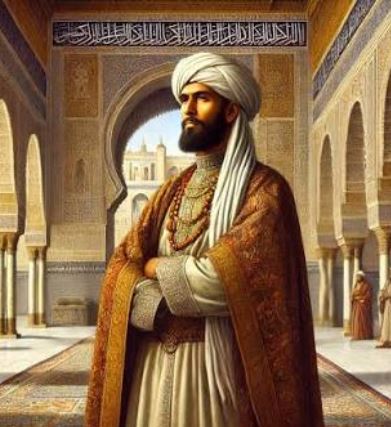
Ibrahim I ibn al-Aghlab

Khorasan, Irak
Archival Overview
Abbasid governor who secured hereditary autonomy from Caliph Harun al-Rashid in 800 CE, founding the Aghlabid Dynasty in Kairouan and establishing Ifriqiya as an autonomous naval and cultural power.
Biographical Record
Ibrahim ibn al-Aghlab (756–812 CE) was an experienced military commander in the Zab region of eastern Algeria. In 800 CE, amidst persistent Berber revolts and military mutinies in Kairouan, Ibrahim proposed to Abbasid Caliph Harun al-Rashid that he govern Ifriqiya autonomously in exchange for an annual tribute of 40,000 gold dinars, ending the drain on the caliphal treasury.
Ibrahim founded the fortified royal city of al-Abbasiyya near Kairouan, built a powerful standing army of black African soldiers, and constructed coastal ribats (such as Monastir). His dynasty ruled Tunisia, eastern Algeria, and western Libya for over a century, providing the staging ground for the historic conquest of Sicily.
Key Life Milestones
Charter of Hereditary Autonomy
Secured hereditary sovereignty over Ifriqiya from Harun al-Rashid, establishing independent governance.
Construction of Coastal Ribats
Fortified the North African coastline with fortified monasteries and watchtowers, including Ribat of Monastir.
Memorial Guestbook & Tributes
0 messages recordedLeave a Respectful Tribute
Final Resting Place
Perpetual MemorialKairouan, Tunisia