 Syria
•
2 views
Syria
•
2 views
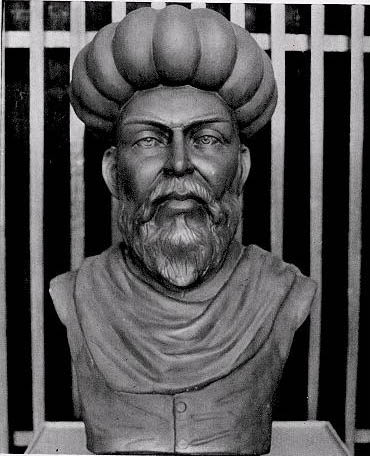
Ibn al-Nafis

Damascus, Syria
Archival Overview
Islamic physician and polymath who spent his career in Cairo as Chief Physician of Egypt, celebrated for discovering the pulmonary circulation of blood three centuries before William Harvey.
Biographical Record
Ala al-Din Abu al-Hasan Ali ibn Abi al-Hazm, known as Ibn al-Nafis (1213–1288), studied medicine in Damascus before moving to Cairo, where he served as personal physician to Mamluk Sultan Baibars and Chief Physician of the great Al-Mansuri Hospital.
In his 1242 masterwork Sharh Tashrih al-Qanun (Commentary on the Anatomy of Avicenna's Canon), Ibn al-Nafis made one of the greatest medical breakthroughs in human history: he rejected Galen's ancient dogma that blood passed through invisible pores in the cardiac septum, correctly demonstrating that blood flows from the right ventricle to the lungs via the pulmonary artery, mixes with air, and returns to the left ventricle. He bequeathed his grand house and immense library to the Mansuri Hospital.
Key Life Milestones
Discovery of the Pulmonary Circulation of Blood
Discovered the lesser circulation of blood three centuries before European anatomists Servetus and Harvey.
Chief Physician of the Mansuri Hospital
Directed Egypt's greatest medical complex, authoring the 300-volume medical encyclopedia Al-Shamil fi al-Tibb.
Memorial Guestbook & Tributes
0 messages recordedLeave a Respectful Tribute
Final Resting Place
Perpetual MemorialCairo, Egypt