 Kingdom of Great Britain
•
2,074 views
Kingdom of Great Britain
•
2,074 views
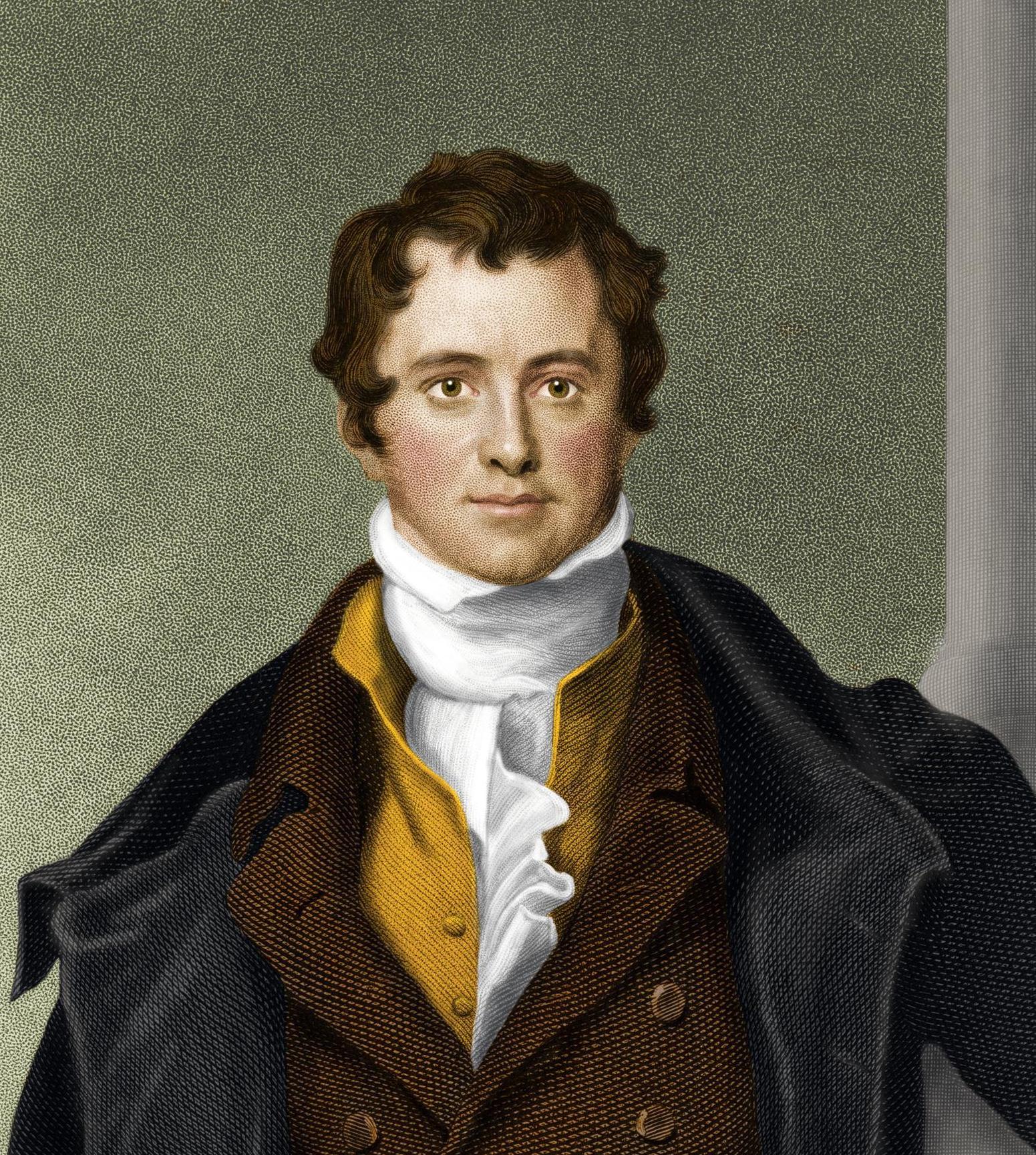
Humphry Davy

Penzance, Cornwall, Kingdom of Great Britain
Archival Overview
Brilliant British chemist and inventor who isolated sodium, potassium, and calcium via electrolysis, and invented the miner's safety lamp.
Biographical Record
Sir Humphry Davy was a charismatic Cornish chemist, inventor, and poet whose electrifying public lectures at the Royal Institution in London made science a fashionable sensation. As a young man at Thomas Beddoes's Pneumatic Institution in Bristol, Davy experimented on himself with various gases, discovering the exhilarating anesthetic properties of nitrous oxide ('laughing gas').
Harnessing the immense electric power of Alessandro Volta's newly invented voltaic pile, Davy pioneered the field of electrochemical isolation. In 1807, by passing electric currents through molten potash and soda, he discovered and isolated elemental potassium and sodium. In quick succession, he isolated calcium, magnesium, strontium, barium, and boron, and proved that chlorine is a unique chemical element, not an oxygen compound. In 1815, in response to horrific coal mine explosions, he invented the flame-arresting Davy lamp, saving countless miners' lives. Asked later in life to name his greatest discovery, Davy replied: 'Michael Faraday.'
Key Life Milestones
Electrochemical Isolation of Elements
Used electrolysis to discover and isolate pure sodium and potassium, subsequently isolating calcium, magnesium, and boron.
Invention of the Davy Safety Lamp
Invented the wire-gauze safety lamp that prevented methane gas explosions in coal mines without patenting it to save lives.
Memorial Guestbook & Tributes
0 messages recordedLeave a Respectful Tribute
Final Resting Place
Perpetual MemorialGeneva, Switzerland