 United States
•
14 views
United States
•
14 views
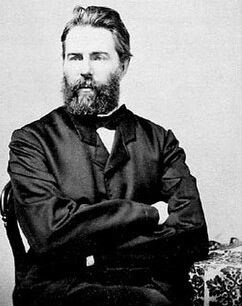
Herman Melville

New York City, United States
Archival Overview
Visionary American novelist whose maritime epic Moby-Dick; or, The Whale (1851)—opening with 'Call me Ishmael' and Captain Ahab's monomaniacal pursuit of the cosmic white whale—stands as one of humanity's supreme literary monuments.
Biographical Record
Herman Melville (1819–1891) sailed as a young seaman aboard merchant vessels and South Seas whaling ships, deserting his ship in the Marquesas Islands in 1842 to live among the Typee tribe. His early South Sea adventures (Typee, Omoo) made him an overnight celebrity in America.
However, inspired by Shakespeare and his friendship with Nathaniel Hawthorne, Melville poured his metaphysical soul into Moby-Dick; or, The Whale (1851). Narrated by Ishmael aboard the doomed whaler Pequod, the novel pits the monomaniacal, peg-legged Captain Ahab against the mysterious, cosmic force of nature embodied in the albino leviathan Moby Dick. Completely misunderstood and commercially rejected in his lifetime, Melville died in forgotten obscurity as a New York customs clerk, only to be rediscovered in the 1920s 'Melville Revival' as a towering titan of world literature.
Key Life Milestones
Publication of Moby-Dick; or, The Whale
Published his titanic metaphysical whaling epic, which later became recognized as America's greatest novel.
Publication of 'Bartleby, the Scrivener: A Story of Wall-Street'
Published his prophetic absurdist novella in Putnam's Magazine, introducing the famous refrain 'I would prefer not to'.
Memorial Guestbook & Tributes
0 messages recordedLeave a Respectful Tribute
Final Resting Place
Perpetual MemorialNew York City, United States