 Norway
•
14 views
Norway
•
14 views
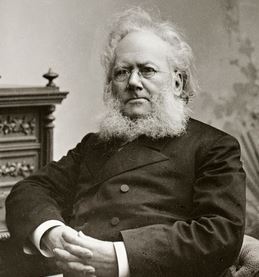
Henrik Johan Ibsen

Skien (Telemark), Norway
Archival Overview
Founding father of modern theatrical realism and second most performed playwright in history after Shakespeare whose explosive social dramas—A Doll's House (Nora's slamming door), Ghosts, and Hedda Gabler—shattered Victorian bourgeois hypocrisy.
Biographical Record
Henrik Ibsen (1828–1906), who spent twenty-seven years living in voluntary self-imposed exile in Italy and Germany away from conservative Norway, single-handedly dragged European theater out of 19th-century drawing-room melodrama into fearless modern realism. His 1867 dramatic poem Peer Gynt (featuring Edvard Grieg's immortal score) captured the folkloric soul of Norway.
In 1879, Ibsen caused an international moral earthquake with A Doll's House (*Et dukkehjem*). When the protagonist Nora Helmer chooses her own human dignity over her patronizing husband and children, walking out into the night and slamming the front door, the reverberation was described by George Bernard Shaw as 'the door slam heard round the world'. Subsequent daring works like Ghosts (tackling hereditary syphilis) and Hedda Gabler founded modern psychological drama.
Key Life Milestones
World Premiere of A Doll's House at the Royal Danish Theatre
Premiered in Copenhagen; Nora's door-slam became the opening shot of the modern feminist theatrical revolution.
Publication of Hedda Gabler in Copenhagen
Created the iconic title role of Hedda Gabler, celebrated as the female counterpart to Hamlet in world drama.
Memorial Guestbook & Tributes
0 messages recordedLeave a Respectful Tribute
Final Resting Place
Perpetual MemorialKristiania (Oslo), Norway