 France
•
3,272 views
France
•
3,272 views
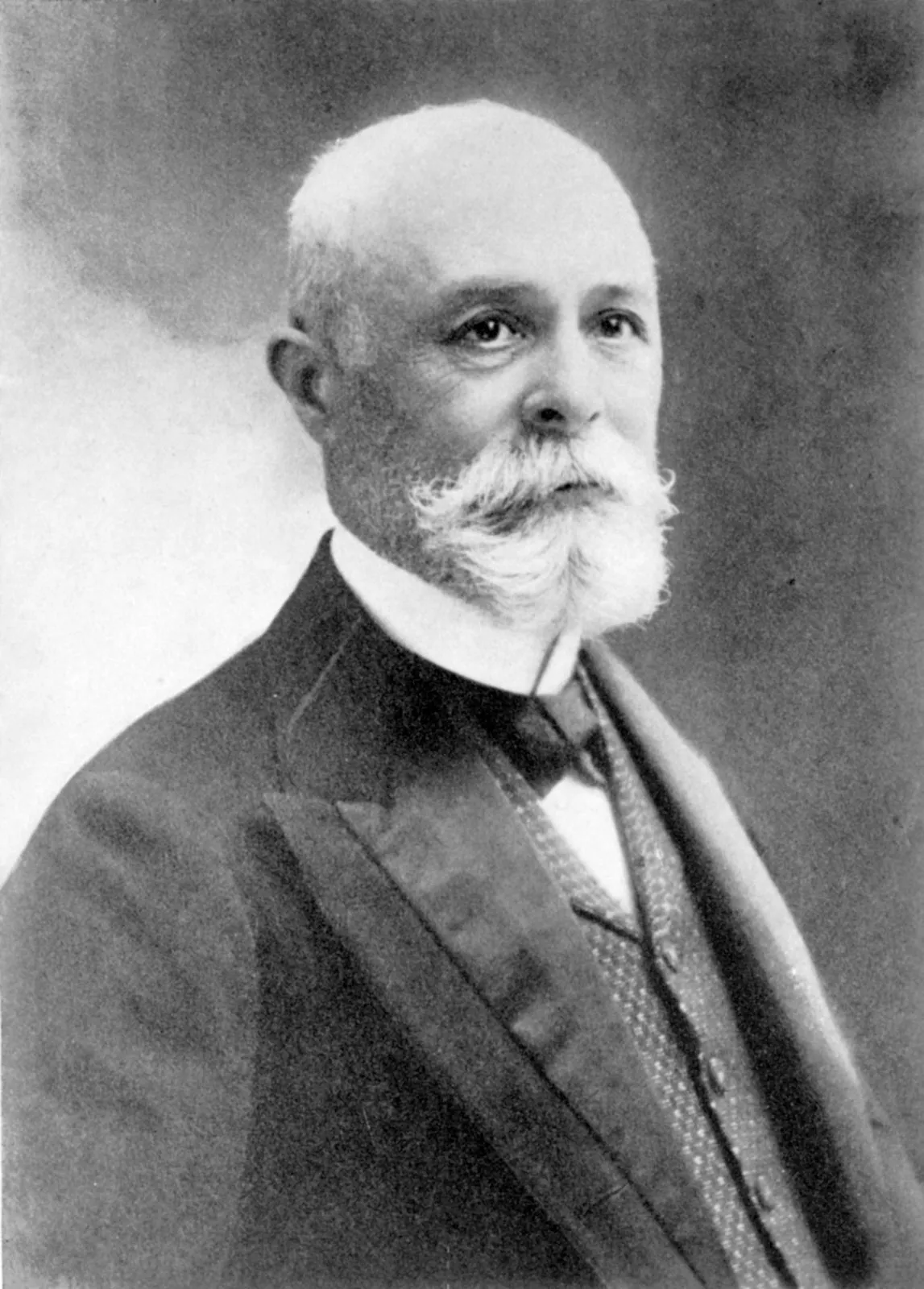
Henri Becquerel

Paris, France
Archival Overview
French physicist who discovered spontaneous radioactivity, earning the 1903 Nobel Prize with the Curies.
Biographical Record
Antoine Henri Becquerel was a French physicist and member of a renowned dynasty of scientists who held the chair of physics at the Muséum National d'Histoire Naturelle for three generations. In early 1896, stimulated by Röntgen's discovery of X-rays, Becquerel investigated whether naturally luminescent minerals might emit similar penetrating radiation when exposed to sunlight.
When overcast weather in Paris delayed his experiments, he placed wrapped photographic plates and crystals of potassium uranyl sulfate into a dark desk drawer. Opening the drawer days later, he found the photographic plates intensely blackened, proving that the uranium salt emitted energetic penetrating rays spontaneously without any external light source. This phenomenon—named 'radioactivity' by Marie Curie—marked the dawn of nuclear physics. In 1903, Becquerel shared the Nobel Prize in Physics with Pierre and Marie Curie. The SI unit of radioactivity, the becquerel (Bq), is named in his enduring honor.
Key Life Milestones
Discovery of Radioactivity
Discovered that uranium spontaneously emits penetrating invisible radiation capable of fogging photographic plates without sunlight.
Nobel Prize in Physics
Awarded the Nobel Prize in Physics alongside Pierre and Marie Curie in recognition of his discovery of spontaneous radioactivity.
Memorial Guestbook & Tributes
0 messages recordedLeave a Respectful Tribute
Final Resting Place
Perpetual MemorialLe Croisic, Loire-Atlantique, France