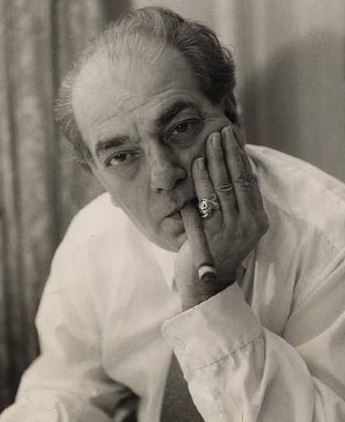
Archival Overview
Preeminent Latin American classical composer who synthesized indigenous Brazilian folk traditions, urban choro rhythms, and Bachian counterpoint into over two thousand works, including the beloved Bachianas Brasileiras and Chôros.
Biographical Record
Heitor Villa-Lobos (1887–1959) learned cello from his father and absorbed street music by playing guitar alongside street choro ensembles in Rio de Janeiro. In his twenties, he journeyed extensively through the Brazilian interior and the Amazon basin, immersing himself in indigenous songs, Afro-Brazilian ceremonies, and bird songs.
Between 1930 and 1945, Villa-Lobos composed his nine Bachianas Brasileiras, famously demonstrating that Johann Sebastian Bach's contrapuntal architecture resonated deeply with Brazilian folk music. His Bachianas Brasileiras No. 5 for soprano and eight cellos became an international sensation, while his Twelve Études for Guitar, commissioned by Andrés Segovia, revolutionized modern classical guitar technique.
Key Life Milestones
Semana de Arte Moderna in São Paulo
Presented radical avant-garde Brazilian compositions at the historic Modern Art Week, igniting modernism in Brazil.
Composition of Bachianas Brasileiras No. 5 (Aria - Cantilena)
Composed his enchanting masterpiece for lyric soprano and eight cellos, celebrated across the world.
Memorial Guestbook & Tributes
0 messages recordedLeave a Respectful Tribute
Final Resting Place
Perpetual MemorialRio de Janeiro, Brazil