 Czech Republic
•
9 views
Czech Republic
•
9 views
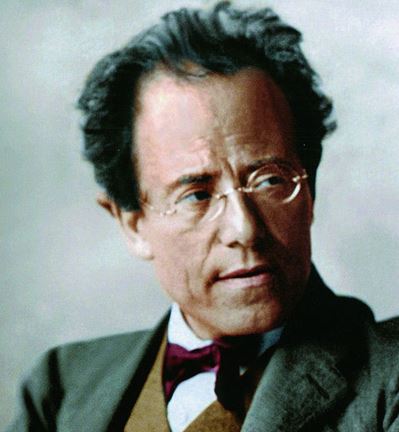
Gustav Mahler

Kalischt (Kaliště, Bohemia), Czech Republic
Archival Overview
Austro-Bohemian visionary composer and legendary conductor who declared 'a symphony must be like the world: it must embrace everything', pioneering 20th-century modernism with his nine epic symphonies and Das Lied von der Erde.
Biographical Record
Gustav Mahler (1860–1911) was the supreme bridge between 19th-century Romanticism and 20th-century Modernism. As artistic director of the Vienna Court Opera (1897–1907), Mahler instituted revolutionary standards of theatrical integrity and conductorial perfectionism, before leading the Metropolitan Opera and New York Philharmonic.
As a composer, Mahler expanded the symphony to cosmic dimensions, incorporating marching bands, bird calls, Jewish klezmer fiddles, cowbells, and massed vocal forces (as in the 'Symphony of a Thousand', No. 8). Confronting mortality in Das Lied von der Erde (The Song of the Earth) and his transcendent Ninth Symphony, Mahler famously and presciently remarked: 'My time will yet come.'
Key Life Milestones
Composition of Das Lied von der Erde
Composed his symphonic song-cycle setting translated ancient Chinese Tang poetry following the death of his daughter.
Premiere of Symphony No. 8 (Symphony of a Thousand)
Conducted over 1,000 musicians and singers in Munich in the greatest triumph of his lifetime.
Memorial Guestbook & Tributes
0 messages recordedLeave a Respectful Tribute
Final Resting Place
Perpetual MemorialVienna, Austria