 Italy
•
7 views
Italy
•
7 views
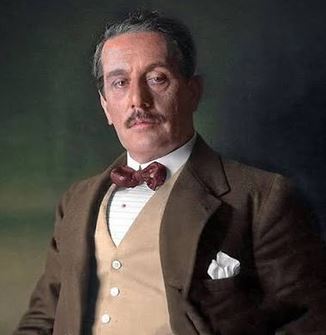
Giacomo Antonio Domenico Michele Secondo Maria Puccini

Lucca (Tuscany), Italy
Archival Overview
Italian operatic titan regarded as the heir to Verdi, whose heart-wrenching theatrical masterworks—La Bohème, Tosca, Madama Butterfly, and Turandot (Nessun dorma)—rank among the most frequently performed operas in history.
Biographical Record
Giacomo Puccini (1858–1924), descendant of five generations of Tuscan church composers, revolutionized opera by marrying soaring, emotionally devastating Italian lyricism with modern French orchestration and verismo dramatic realism. Breaking through with Manon Lescaut (1893), he commenced a legendary collaboration with librettists Luigi Illica and Giuseppe Giacosa.
Between 1896 and 1904, Puccini composed three consecutive immortal masterpieces: La Bohème, capturing bohemian youth and tuberculosis in Paris; Tosca, a violent political thriller; and Madama Butterfly, a tragic East-West romance. His final, uncompleted masterpiece, Turandot, containing the universal tenor anthem Nessun dorma, was premiered posthumously at La Scala under Arturo Toscanini, who lowered his baton where Puccini's score ended.
Key Life Milestones
World Premiere of La Bohème at Teatro Regio, Turin
Conducted by young Arturo Toscanini, premiering the definitive opera of young love and bohemian heartbreak.
Posthumous Premiere of Turandot at La Scala, Milan
Toscanini stopped the premiere mid-performance, announcing: 'Here the Maestro laid down his pen.'
Memorial Guestbook & Tributes
0 messages recordedLeave a Respectful Tribute
Final Resting Place
Perpetual MemorialBrussels, Belgium