 Kingdom of Ireland
•
0 views
Kingdom of Ireland
•
0 views
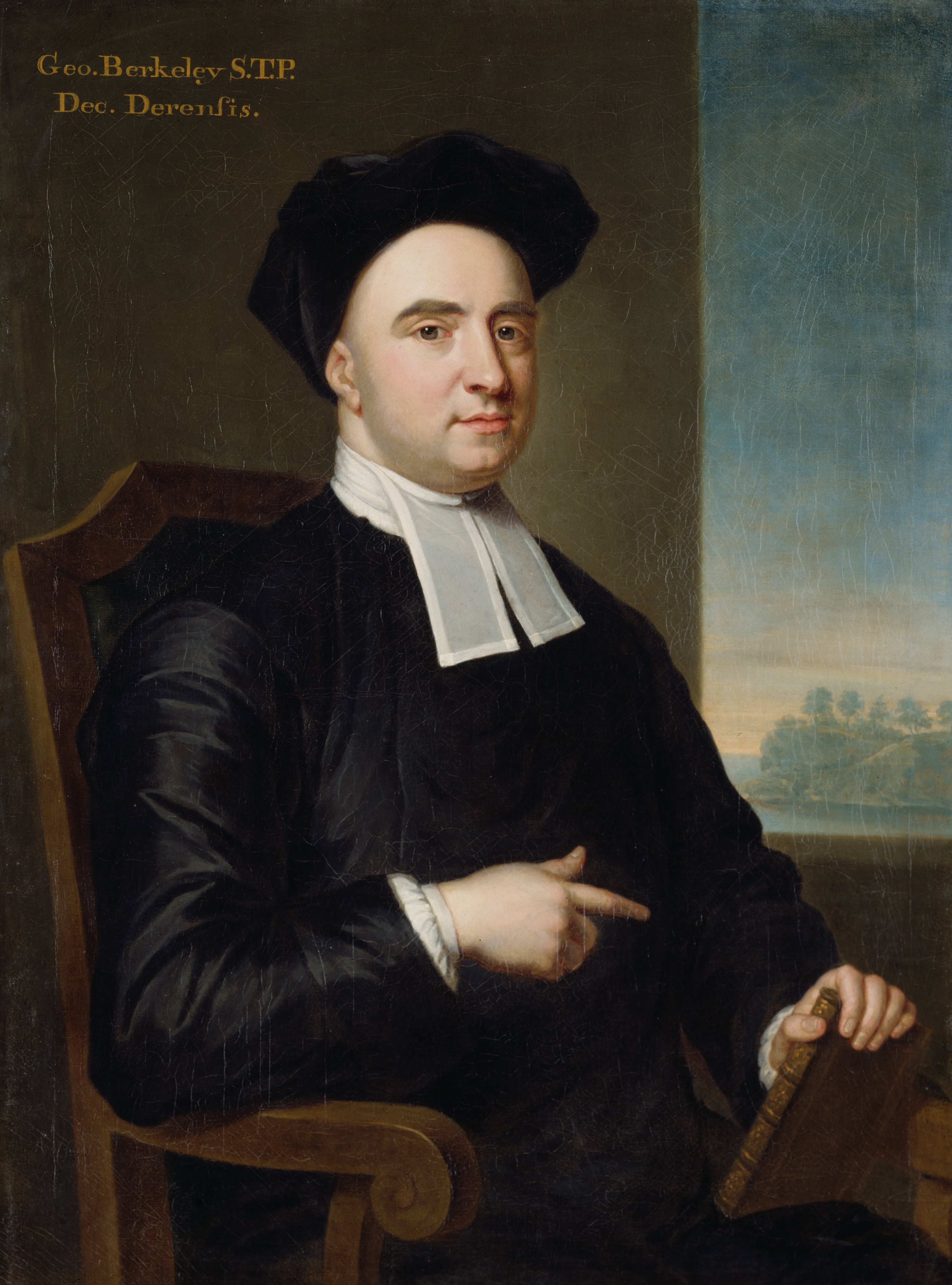
George Berkeley

Kilkenny, Kingdom of Ireland
Archival Overview
Irish philosopher and Anglican bishop who formulated subjective idealism (immaterialism), asserting with the maxim 'esse est percipi' (to be is to be perceived) that material objects exist only as perceptions in minds.
Biographical Record
Educated at Trinity College Dublin, George Berkeley (1685–1753) published 'A Treatise Concerning the Principles of Human Knowledge' in 1710 at age twenty-five. He attacked John Locke's distinction between primary and secondary qualities, demonstrating that mind-independent material substance is a philosophical impossibility.
For Berkeley, physical reality consists entirely of ideas perceived by human minds and sustained continuously by the omnipresent perception of God. In 'The Analyst' (1734), he published a brilliant mathematical critique of Newton's calculus, mocking infinitesimals as 'ghosts of departed quantities.'
Key Life Milestones
Treatise Concerning Principles of Human Knowledge
Published his foundational argument for immaterialism, dismantling mind-independent material substance.
The Analyst
Published groundbreaking critique of Newton's calculus, attacking the logical foundation of fluxions.
Memorial Guestbook & Tributes
0 messages recordedLeave a Respectful Tribute
Final Resting Place
Perpetual MemorialOxford, United Kingdom