 Austria
•
8 views
Austria
•
8 views
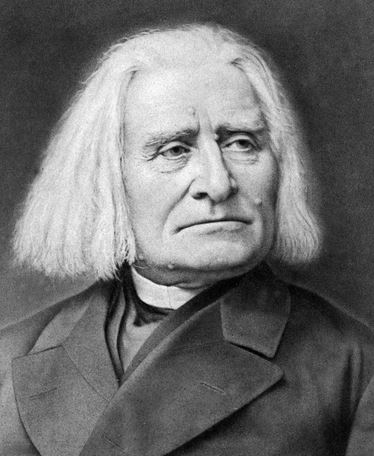
Franz Liszt (Liszt Ferenc)

Raiding (Doborján), Austria
Archival Overview
Hungarian musical titan and greatest piano virtuoso in history, who invented the solo piano recital and the orchestral symphonic poem, composed the Hungarian Rhapsodies, and anticipated modern harmony.
Biographical Record
Franz Liszt (1811–1886) was the first modern musical superstar, unleashing 'Lisztomania' across Europe in the 1840s as audiences swooned at his unprecedented pianistic wizardry, superhuman octaves, and charisma. Turning his piano sideways on stage, he invented the solo piano recital as we know it today.
Retiring from touring to become court Kapellmeister in Weimar, Liszt invented the symphonic poem (such as Les Préludes) and championed the 'New German School' of Wagner and Berlioz. In his monumental Sonata in B minor (1853) and experimental late works (like Nuages gris), Liszt pioneered thematic transformation and dissonant whole-tone harmony that prefigured Debussy and modernism.
Key Life Milestones
The Era of Lisztomania & The Solo Recital
Toured Europe giving over a thousand solo concerts, establishing the modern solo piano recital format.
Completion of the Sonata in B minor
Finished his monumental single-movement piano sonata, a pinnacle of thematic transformation and romantic architecture.
Memorial Guestbook & Tributes
0 messages recordedLeave a Respectful Tribute
Final Resting Place
Perpetual MemorialBayreuth, Germany