 Czech Republic
•
10 views
Czech Republic
•
10 views
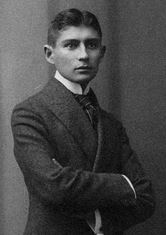
Franz Kafka

Prague (Bohemia), Czech Republic
Archival Overview
Visionary Prague writer whose uncanny parables of nightmare bureaucracy, guilt, and existential dread—The Metamorphosis (Gregor Samsa), The Trial (Josef K.), and The Castle—gave human language the word 'Kafkaesque'.
Biographical Record
Franz Kafka (1883–1924), born into a middle-class German-speaking Jewish family in Prague, worked by day as an unassuming claims lawyer at the Workers' Accident Insurance Institute, writing his haunting fiction late into the night. Dominated by a strained, terrifying relationship with his authoritarian father Hermann Kafka (*Letter to His Father*), Kafka channeled his profound alienation into literature's most unsettling allegories.
In Die Verwandlung (The Metamorphosis, 1915), traveling salesman Gregor Samsa awakens to find himself transformed into a monstrous verminous insect (*ungeheuren Ungeziefer*). In Der Process (The Trial) and Das Schloss (The Castle), faceless bureaucracies convict and exclude ordinary citizens without ever explaining their crime, terrifyingly anticipating the totalitarian nightmare states of the 20th century. Dying of laryngeal tuberculosis at forty, Kafka instructed his executor Max Brod to burn all his unpublished manuscripts; Brod heroically defied him, gifting humanity a cornerstone of world literature.
Key Life Milestones
Publication of The Metamorphosis (Die Verwandlung) in Leipzig
Published his uncanny masterpiece in Kurt Wolff's Die Weißen Blätter, introducing Gregor Samsa to world literature.
Posthumous Publication of The Trial (Der Process)
Max Brod defied Kafka's dying instruction to burn his papers, publishing The Trial and changing modern literature forever.
Memorial Guestbook & Tributes
0 messages recordedLeave a Respectful Tribute
Final Resting Place
Perpetual MemorialKierling (near Klosterneuburg), Austria