 Crown of Aragon (Spain)
•
2 views
Crown of Aragon (Spain)
•
2 views
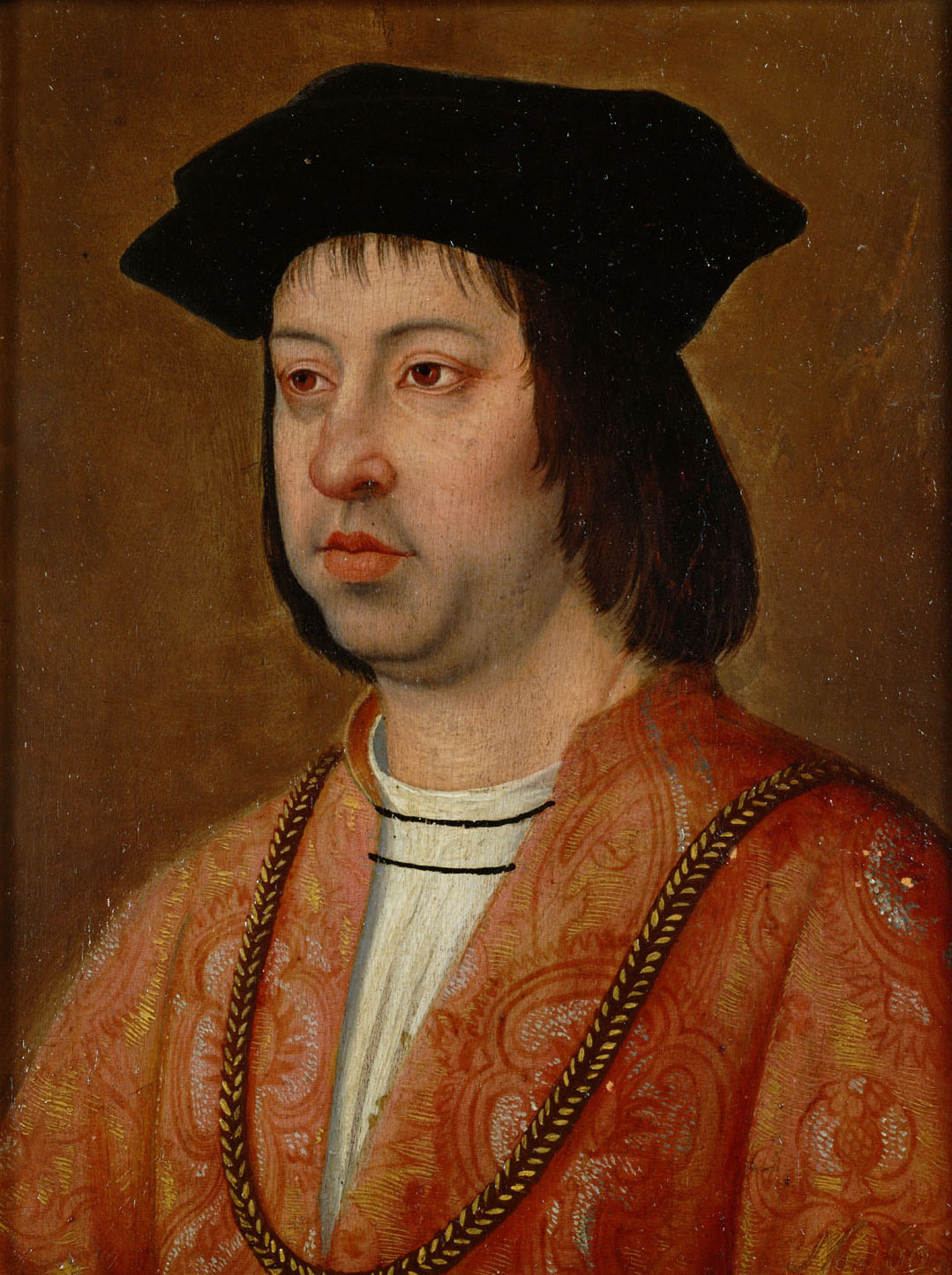
Ferdinand II of Aragon

Sos del Rey Católico, Aragon, Crown of Aragon (Spain)
Archival Overview
King of Aragon and Sicily whose marriage to Isabella of Castile unified Spain; praised by Machiavelli as the archetype of royal statecraft.
Biographical Record
Ferdinand II of Aragon, known alongside his wife Isabella as 'the Catholic Monarchs' (Los Reyes Católicos), was an astute diplomat, field general, and statesman who laid the foundations of the Spanish global hegemony. Ascending the throne of Aragon in 1479, Ferdinand directed military operations during the decade-long Granada War, completing the Reconquista in 1492.
Ferdinand was a master of Renaissance realpolitik: Niccolò Machiavelli hailed him in The Prince as the ultimate model of political cunning and greatness, writing that 'from being a weak king, he has become the greatest and most glorious king in Christendom.' Ferdinand expanded Spanish power across the Mediterranean, annexing Naples and Sicily with the tactical brilliance of his commander Gonzalo de Córdoba ('El Gran Capitán') during the Italian Wars. After Isabella's death in 1504, Ferdinand served as regent of Castile and annexed Upper Navarre in 1512, bequeathing a completely unified Spanish monarchy to his grandson, Charles V.
Key Life Milestones
Signing of the Treaty of Tordesillas
Conquest of the Kingdom of Naples
Memorial Guestbook & Tributes
0 messages recordedLeave a Respectful Tribute
Final Resting Place
Perpetual MemorialGranada, Andalusia, Spain