 Spain
•
14 views
Spain
•
14 views
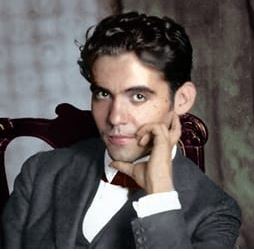
Federico del Sagrado Corazón de Jesús García Lorca

Fuente Vaqueros (Granada, Andalusia), Spain
Archival Overview
Preeminent Spanish poet and dramatist of the Generation of '27 whose Romancero gitano, theory of Duende, and searing tragedies—Blood Wedding and The House of Bernarda Alba—ended in his tragic murder by Nationalist fascists at the outbreak of the Spanish Civil War.
Biographical Record
Federico García Lorca (1898–1936), born in fertile Vega de Granada, studied at the Residencia de Estudiantes in Madrid where he formed close creative friendships with painter Salvador Dalí and filmmaker Luis Buñuel. Lorca captured the deep mystical folk soul of Andalusia—its flamenco songs (*cante jondo*), gypsy romances, and bullfighting rituals—in his bestselling 1928 collection Romancero gitano (Gypsy Ballads).
Visiting New York during the 1929 Wall Street Crash, Lorca wrote the surrealist masterpiece Poet in New York, attacking capitalist alienation and celebrating Harlem's Black culture. Directing the traveling university theater troupe *La Barraca*, he toured rural Spain staging classical plays for peasants before composing his immortal rural tragedy trilogy: Blood Wedding (Bodas de sangre), Yerma, and The House of Bernarda Alba. In August 1936, following Francisco Franco's fascist uprising, Lorca was arrested in Granada and executed by a firing squad in an unmarked ditch near Alfacar at age thirty-eight.
Key Life Milestones
Publication of Romancero gitano (Gypsy Ballads)
Published his definitive poetry collection blending Andalusian folklore with avant-garde metaphor.
Premiere of Bodas de Sangre (Blood Wedding) in Madrid
Premiered his monumental rural tragedy at Teatro Beatriz, achieving triumphant acclaim across Spain and Latin America.
Memorial Guestbook & Tributes
0 messages recordedLeave a Respectful Tribute
Final Resting Place
Perpetual MemorialAlfacar (Granada, Andalusia), Spain