 Czech Republic
•
2,672 views
Czech Republic
•
2,672 views
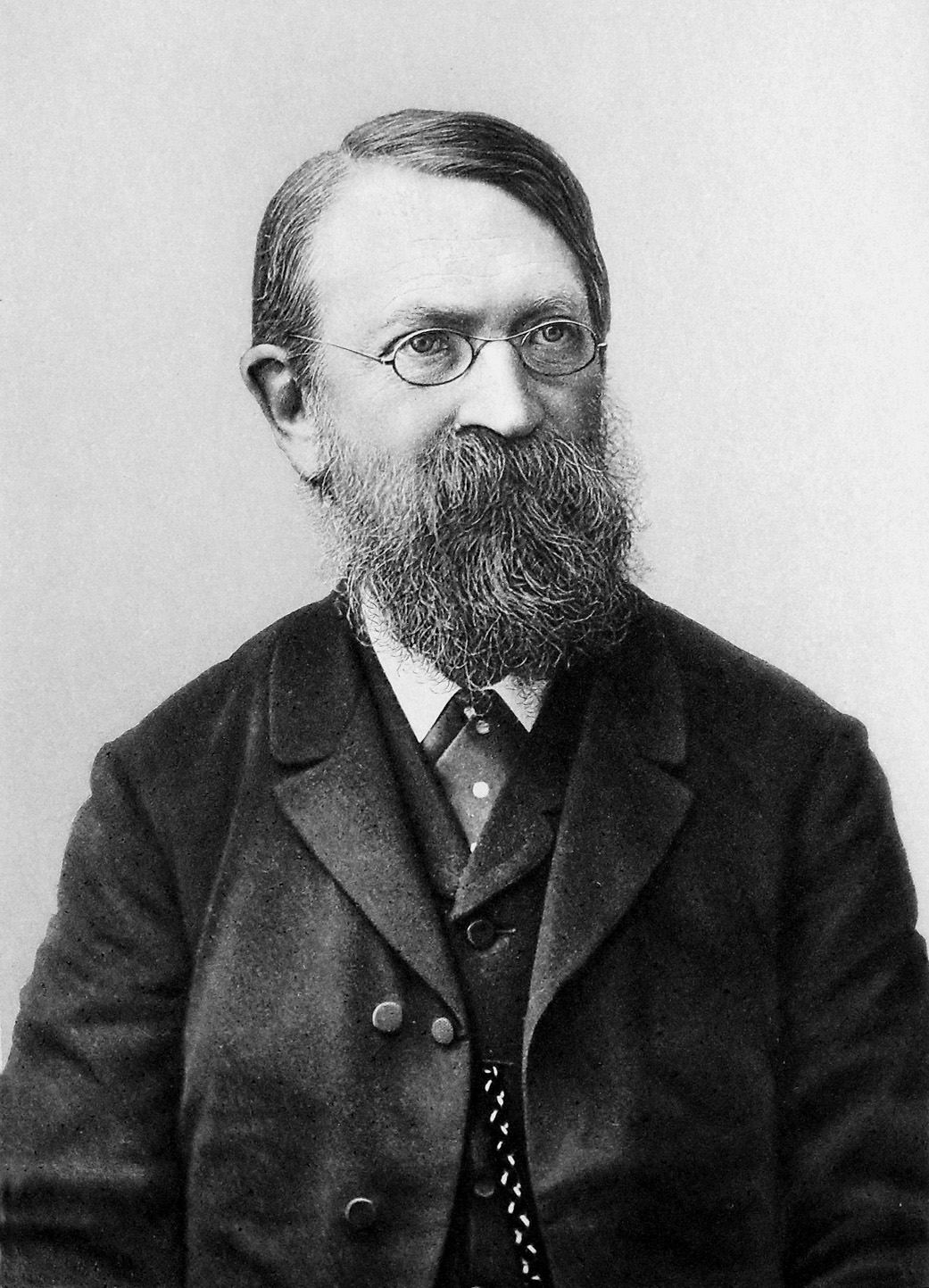
Ernst Mach

Chrlice, Moravia, Czech Republic
Archival Overview
Austrian physicist and philosopher who pioneered supersonic shockwave aerodynamics and influenced Einstein's relativity.
Biographical Record
Ernst Waldfried Josef Wenzel Mach was an Austrian physicist, physiologist, and philosopher of science whose interdisciplinary studies transformed aerodynamics and epistemological thinking. Holding professorships in Graz, Prague, and Vienna, Mach was a master of schlieren photography and high-speed shadowgraph optics.
In 1887, Mach published the first photographic visualizations of supersonic shock waves produced by flying projectiles, defining the ratio of a body's velocity to the local speed of sound—known globally as the Mach number (Mach 1, Mach 2, etc.). In the philosophy of science, Mach championed logical positivism, fiercely criticizing Isaac Newton's absolute space and time as unmeasurable metaphysical dogmas. He postulated that inertia is not an intrinsic property of a body, but arises from the gravitational attraction of all the matter in the distant cosmos—a concept Albert Einstein named Mach's principle and credited as a primary inspiration for general relativity.
Key Life Milestones
Visualisation of Supersonic Shock Waves
Captured the first optical photographs of supersonic projectile shock waves, introducing the velocity metric later named the Mach number.
The Science of Mechanics
Published his critique of Newtonian absolute space and time, articulating Mach's principle which deeply shaped Albert Einstein.
Memorial Guestbook & Tributes
0 messages recordedLeave a Respectful Tribute
Final Resting Place
Perpetual MemorialMunich, Bavaria, Germany