 United States
•
12 views
United States
•
12 views
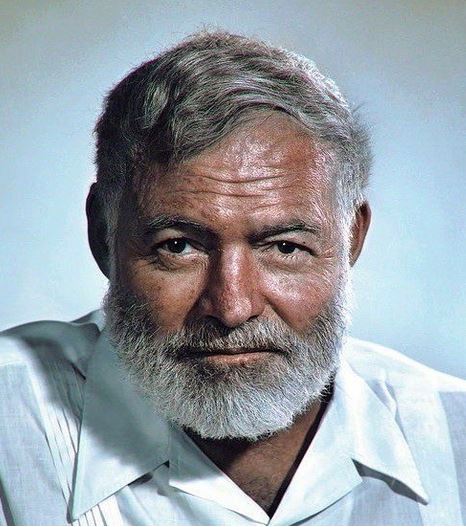
Ernest Miller Hemingway (Papa)

Oak Park (Illinois), United States
Archival Overview
Titan of 20th-century American fiction and 1954 Nobel laureate whose spare, declarative 'iceberg theory' prose style and adventurous life in Paris, Spain, and Cuba produced The Sun Also Rises, A Farewell to Arms, and The Old Man and the Sea.
Biographical Record
Ernest Hemingway (1899–1961), wounded as an eighteen-year-old Red Cross ambulance driver on the Italian front in World War I, joined Gertrude Stein's expatriate 'Lost Generation' in 1920s Paris. Developing his revolutionary Iceberg Theory (theory of omission)—stating that the dignity and emotional power of a story lies in the seven-eighths submerged beneath the surface—Hemingway stripped English prose of Victorian ornamentation.
His breakout novel The Sun Also Rises (1926) immortalized the bullfights of Pamplona, while A Farewell to Arms (1929) and For Whom the Bell Tolls (1940) captured the tragic nobility of war and love. Living in Finca Vigía, Cuba, Hemingway wrote his Pulitzer Prize-winning heroic parable The Old Man and the Sea (1952), recounting the aged fisherman Santiago's solitary struggle against an immense marlin in the Gulf Stream, earning him the 1954 Nobel Prize in Literature.
Key Life Milestones
Publication of The Old Man and the Sea in Life Magazine
Published his Pulitzer Prize-winning novella, selling five million magazine copies in two days.
Award of the Nobel Prize in Literature
Awarded the Nobel Prize for his mastery of the art of narration and the influence he exercised on contemporary style.
Memorial Guestbook & Tributes
0 messages recordedLeave a Respectful Tribute
Final Resting Place
Perpetual MemorialKetchum (Idaho), United States