 Empire of Japan
•
3 views
Empire of Japan
•
3 views
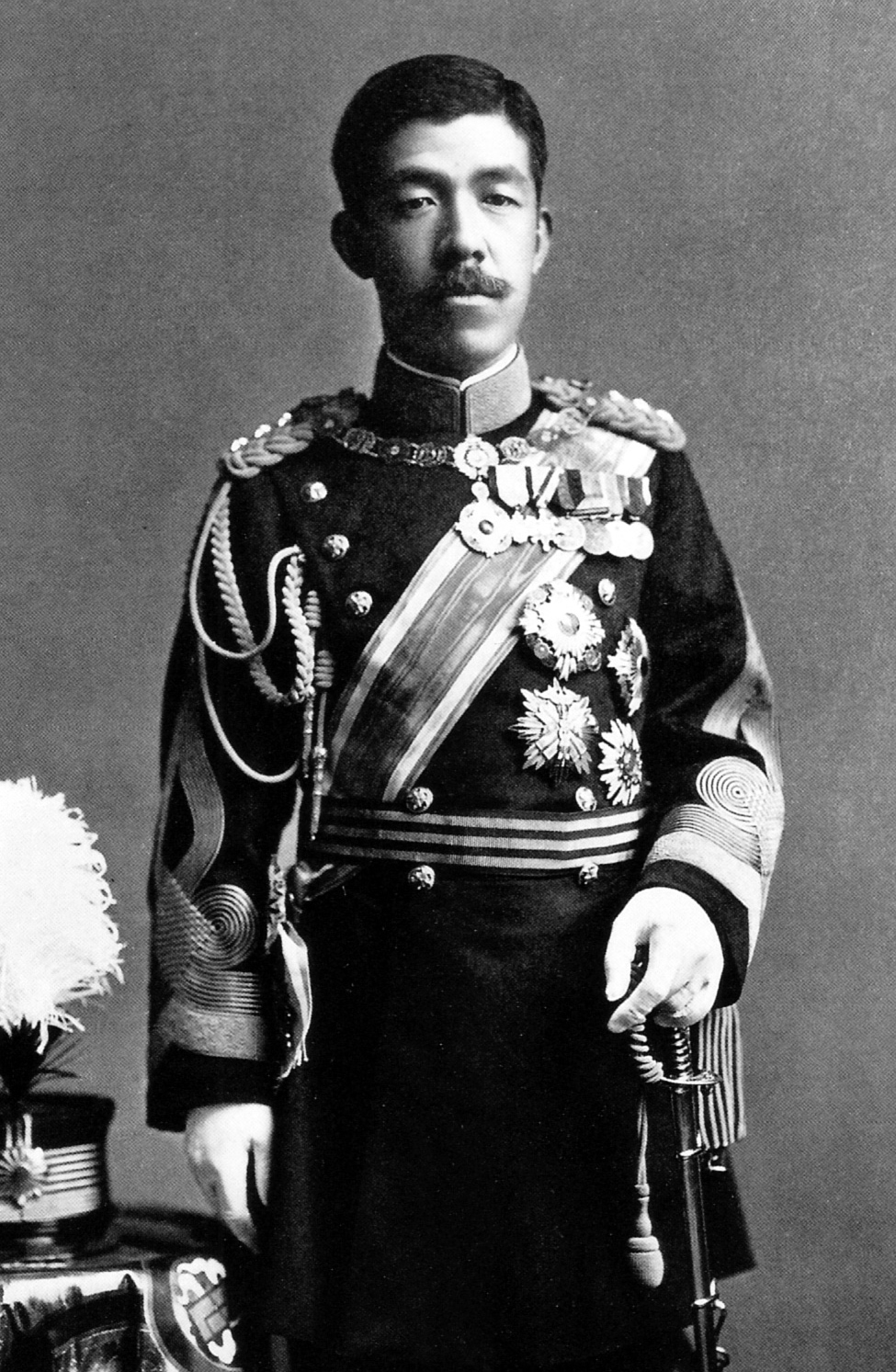
Emperor Taisho

Tokyo, Empire of Japan
Archival Overview
The 123rd Emperor of Japan (reigned 1912–1926) whose era—known as 'Taisho Democracy'—saw the rise of parliamentary party politics, labor unions, universal male suffrage, and cultural modernism in Japan.
Biographical Record
Emperor Taisho (personal name Yoshihito) ascended the Chrysanthemum Throne following the death of Emperor Meiji in 1912. During his reign, Japan joined the Allied Powers in World War I, capturing German possessions in the Pacific and Tsingtao, and gained a permanent seat on the Council of the League of Nations.
The Taisho era witnessed unprecedented political liberalization, freedom of the press, and modern literary flourishing. In 1925, his government enacted the historic General Election Law granting universal male suffrage. Due to deteriorating health, Crown Prince Hirohito was named Regent in 1921.
Key Life Milestones
Accession to the Chrysanthemum Throne
Inaugurated the Taisho ('Great Righteousness') era, initiating a decade of democratic and civil expansion.
Enactment of Universal Male Suffrage
Promulgated the General Election Law, quadrupling the electorate by eliminating all property tax requirements.
Memorial Guestbook & Tributes
0 messages recordedLeave a Respectful Tribute
Final Resting Place
Perpetual MemorialHachioji (Tokyo), Japan