 Japan
•
3 views
Japan
•
3 views
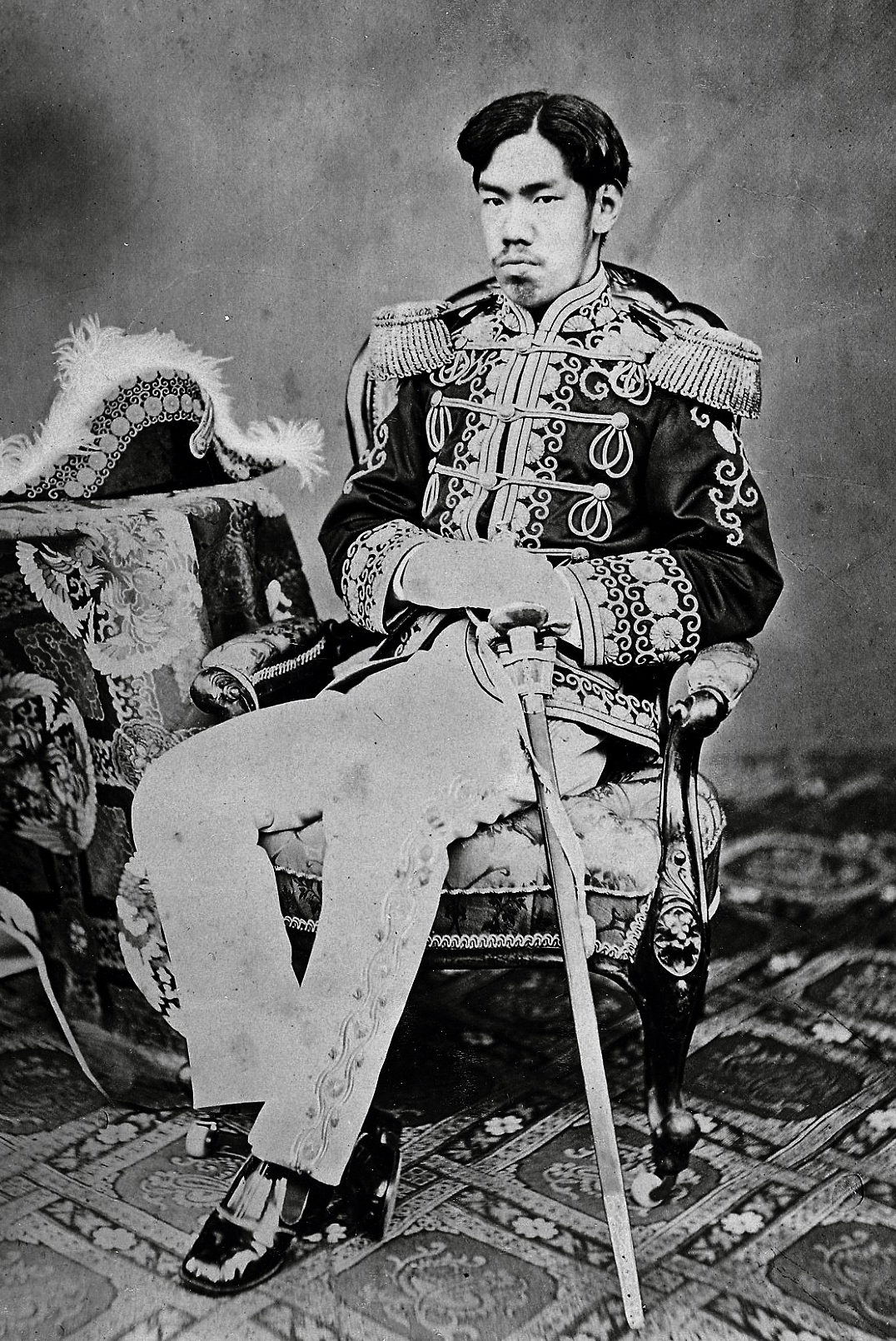
Emperor Meiji (Mutsuhito)

Kyoto, Japan
Archival Overview
122nd Emperor of Japan whose transformative reign spearheaded the Meiji Restoration, industrializing Japan into a modern global world power.
Biographical Record
Emperor Meiji (born Mutsuhito, 1852–1912) reigned from 1867 until his death in 1912, presiding over one of the most astonishing social, political, and industrial transformations in modern world history: the Meiji Restoration. Following the downfall of the Tokugawa shogunate, imperial sovereignty was restored, ending over two centuries of feudal isolation (sakoku).
Emperor Meiji oversaw the promulgation of the Charter Oath (1868) and the Meiji Constitution (1889), establishing a constitutional monarchy and modern Diet. Under his aegis, Japan abolished the samurai estate, built railroads and telegraph networks, instituted universal conscription and compulsory education, and emerged victorious in the First Sino-Japanese War (1894–1895) and the Russo-Japanese War (1904–1905), propelling Japan to great power status.
Key Life Milestones
Dismantling of Feudal Isolation
Proclaimed the Five Charter Oath in Kyoto, abolishing the Tokugawa Shogunate and setting Japan on an unstoppable path of modernization and global engagement.
First Modern Constitution of Asia
Promulgated the Constitution of the Empire of Japan, establishing parliamentary democracy, imperial sovereign law, and civil rights.
Memorial Guestbook & Tributes
0 messages recordedLeave a Respectful Tribute
Final Resting Place
Perpetual MemorialKyoto, Japan