 Japan
•
4 views
Japan
•
4 views
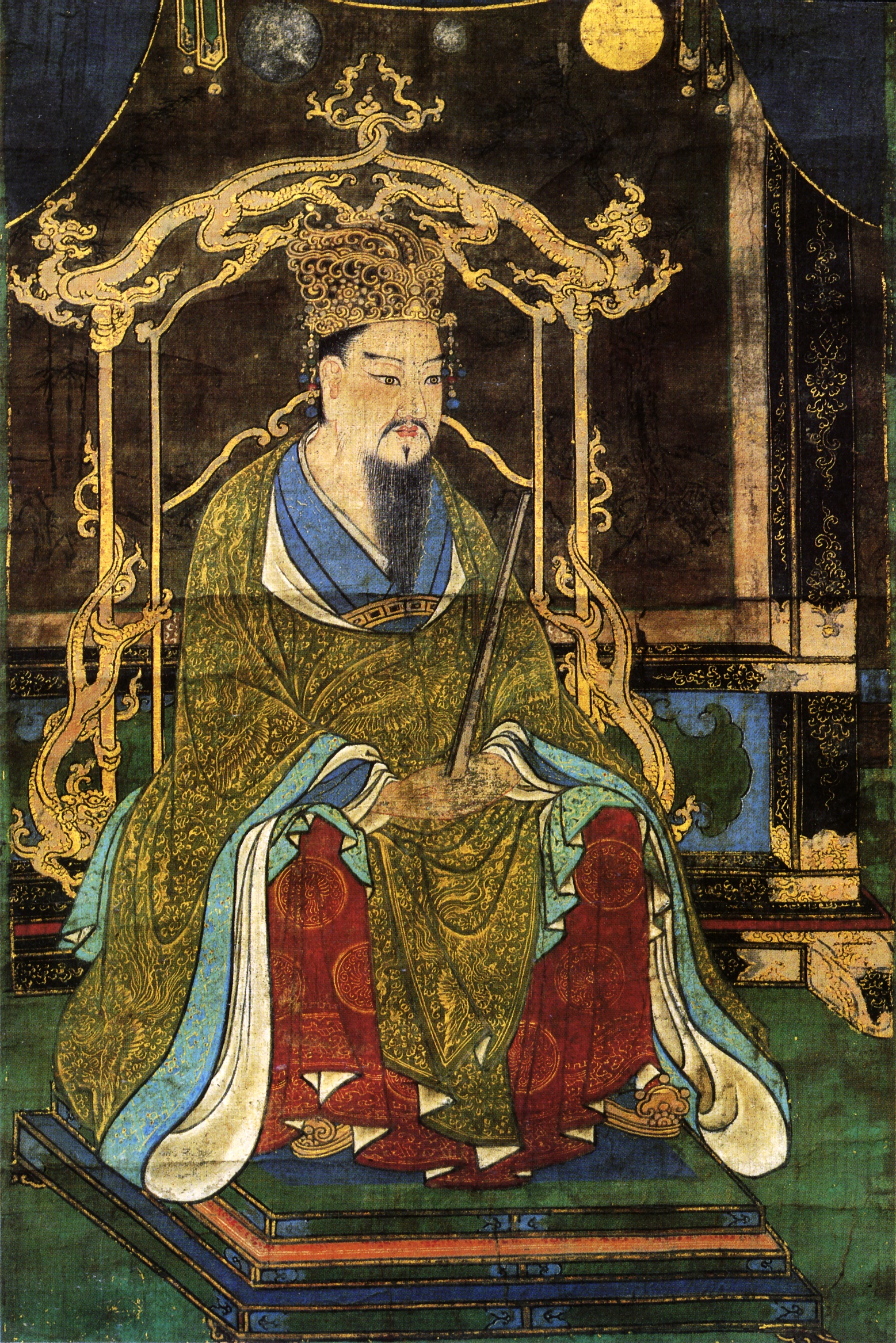
Emperor Kammu

Nara, Japan
Archival Overview
Fiftieth Emperor of Japan (781–806 CE) who broke the political stranglehold of the Buddhist temples of Nara by relocating the imperial capital to Heian-kyo (Kyoto) in 794, inaugurating the glorious four-century Heian period of classical Japanese culture.
Biographical Record
Emperor Kammu (737–806 CE) was the son of Emperor Konin and a Korean noblewoman, Takano no Niigasa. Troubled by the political intrigues and wealth of the six great Buddhist monastic orders of Nara, Kammu took the bold decision to abandon the ancient capital.
In 794, Kammu founded the magnificent grid-patterned capital of Heian-kyo (Capital of Peace and Tranquility, modern Kyoto), which remained the imperial capital of Japan for over a millennium. Kammu promoted Saicho and Kukai to establish the Tendai and Shingon schools away from the court, and appointed Sakanoue no Tamuramaro as the first historical Seii Taishogun.
Key Life Milestones
Relocation of the Capital to Heian-kyo (Kyoto)
Moved the imperial capital to Kyoto, launching the four-hundred-year classical Heian golden age.
Appointment of Sakanoue no Tamuramaro as Shogun
Appointed the legendary general as Seii Taishogun, pacifying the northeastern frontier.
Memorial Guestbook & Tributes
0 messages recordedLeave a Respectful Tribute
Final Resting Place
Perpetual MemorialKyoto (Fushimi), Japan